










The First 48-Team World Cup
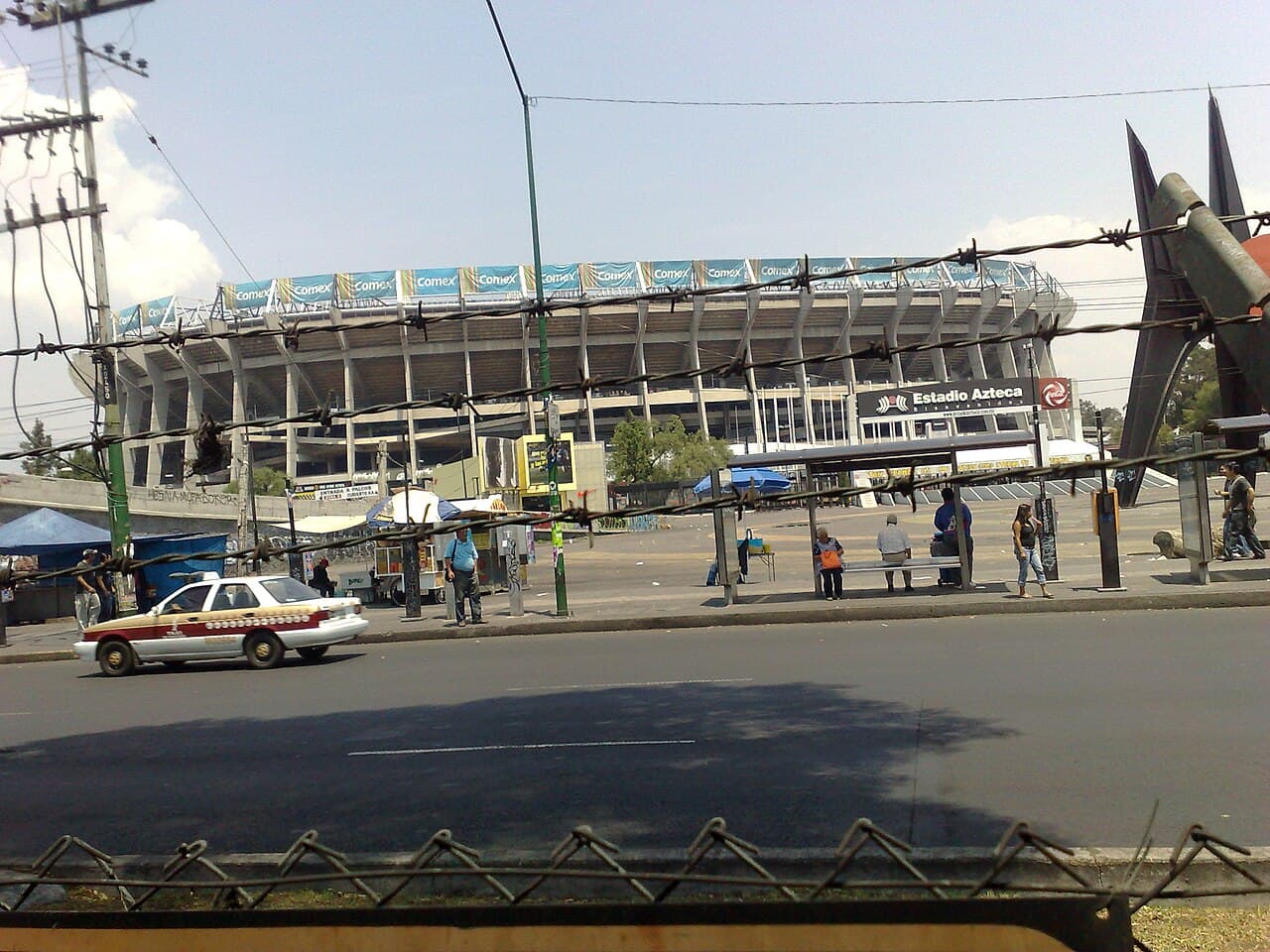
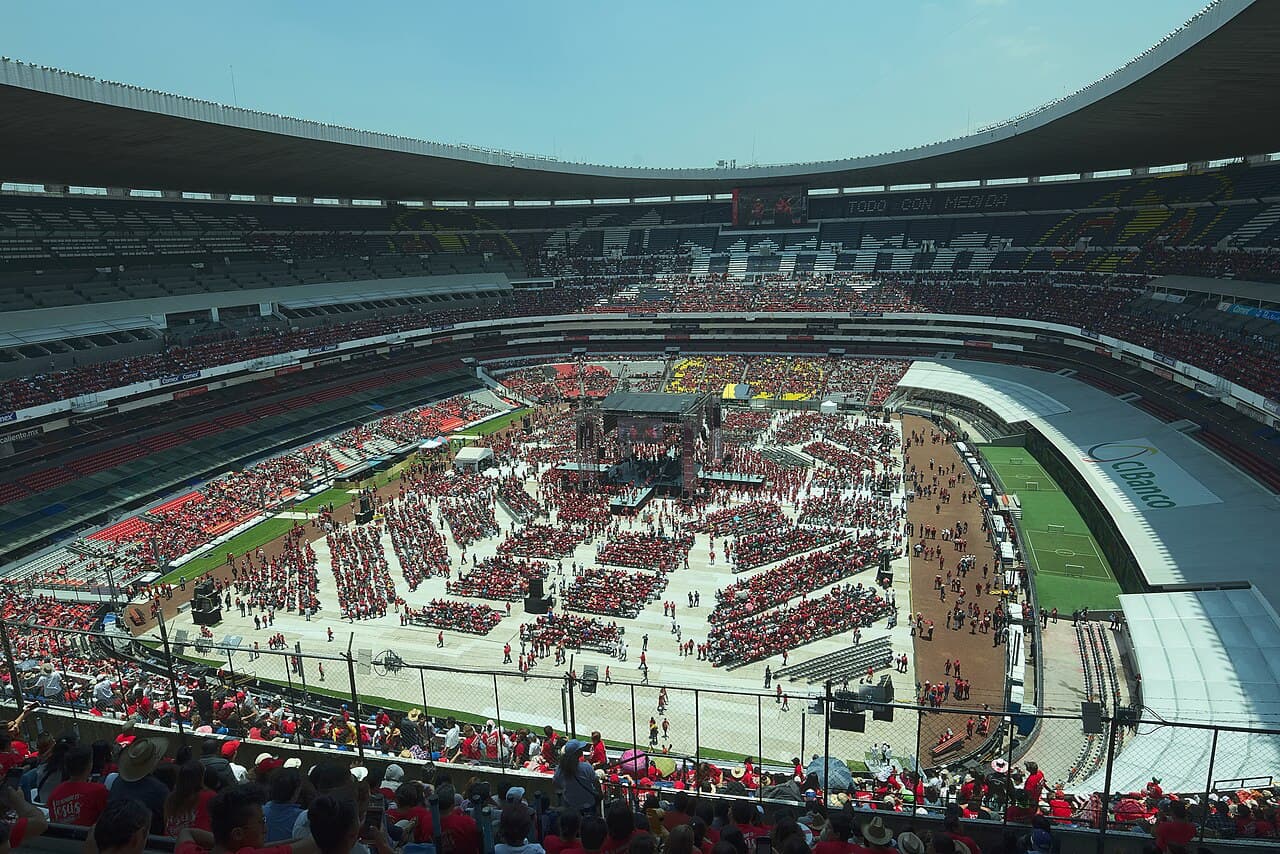
The 2026 tournament was the largest and most structurally different World Cup ever staged. It expanded from 32 teams to 48, from 64 matches to 104, and from a single host to three — the United States, Canada and Mexico — across sixteen venues and four time zones. Mexico became the first country to host World Cup matches in three separate tournaments, having previously staged the 1970 and 1986 editions.
Expansion is easy to describe and harder to judge. More teams meant more nations experiencing a World Cup for the first time, and a qualifying campaign that stayed meaningful for far longer in every confederation. It also meant a group stage of twelve groups of four, feeding a knockout round of 32 that had never existed before, and a champion who had to win five knockout ties instead of four.
What This Section Contains
This is an archive rather than a live tracker. The tournament is complete, so the fixture-by-fixture and live-score pages that ran during it have been retired rather than left showing empty states. What remains is the record:
- Results — every final score, with extra time and shootouts marked.
- Standings — all twelve final group tables, and how the eight best third-placed teams qualified.
- Bracket — the full five-round knockout path to the final.
- Analysis — our written coverage of the format, the contenders, the host cities and the tournament's history.
A Note on Our Data
Match data on these pages comes from open football data providers — principally the openfootball project, with TheSportsDB as a secondary source. If neither can be reached, the pages state that the data is unavailable. They will not display placeholder fixtures or invented scores to fill the gap.