
The 2026 World Cup is the longest and largest in the tournament's history: 48 teams, 104 matches and 39 days of football, running from 11 June to 19 July across the United States, Canada and Mexico. With so many more games than the 64 played in 2022, the calendar is denser and the rhythm different from any World Cup before it. Here is how the schedule breaks down — and what each phase actually means for the teams and for fans planning their viewing.
Opening Match — 11 June
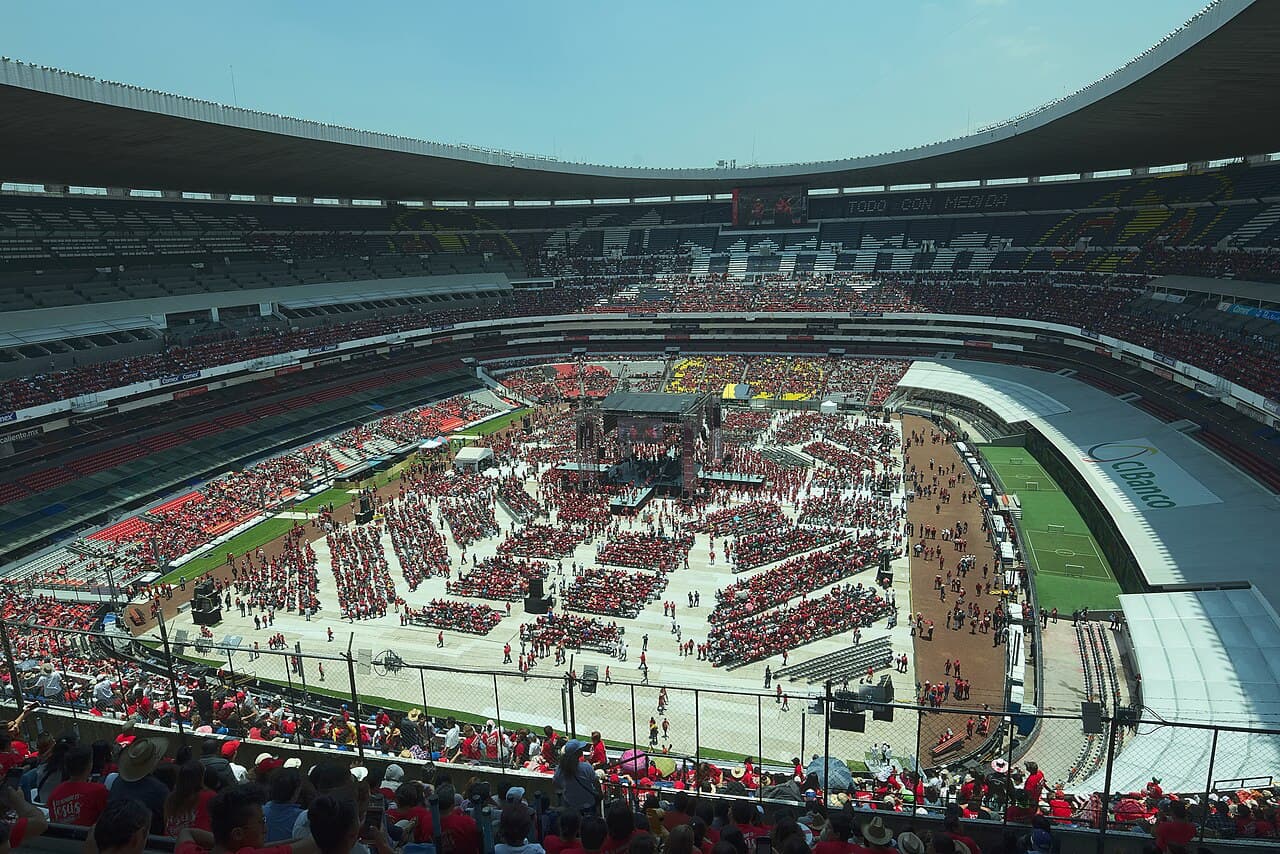
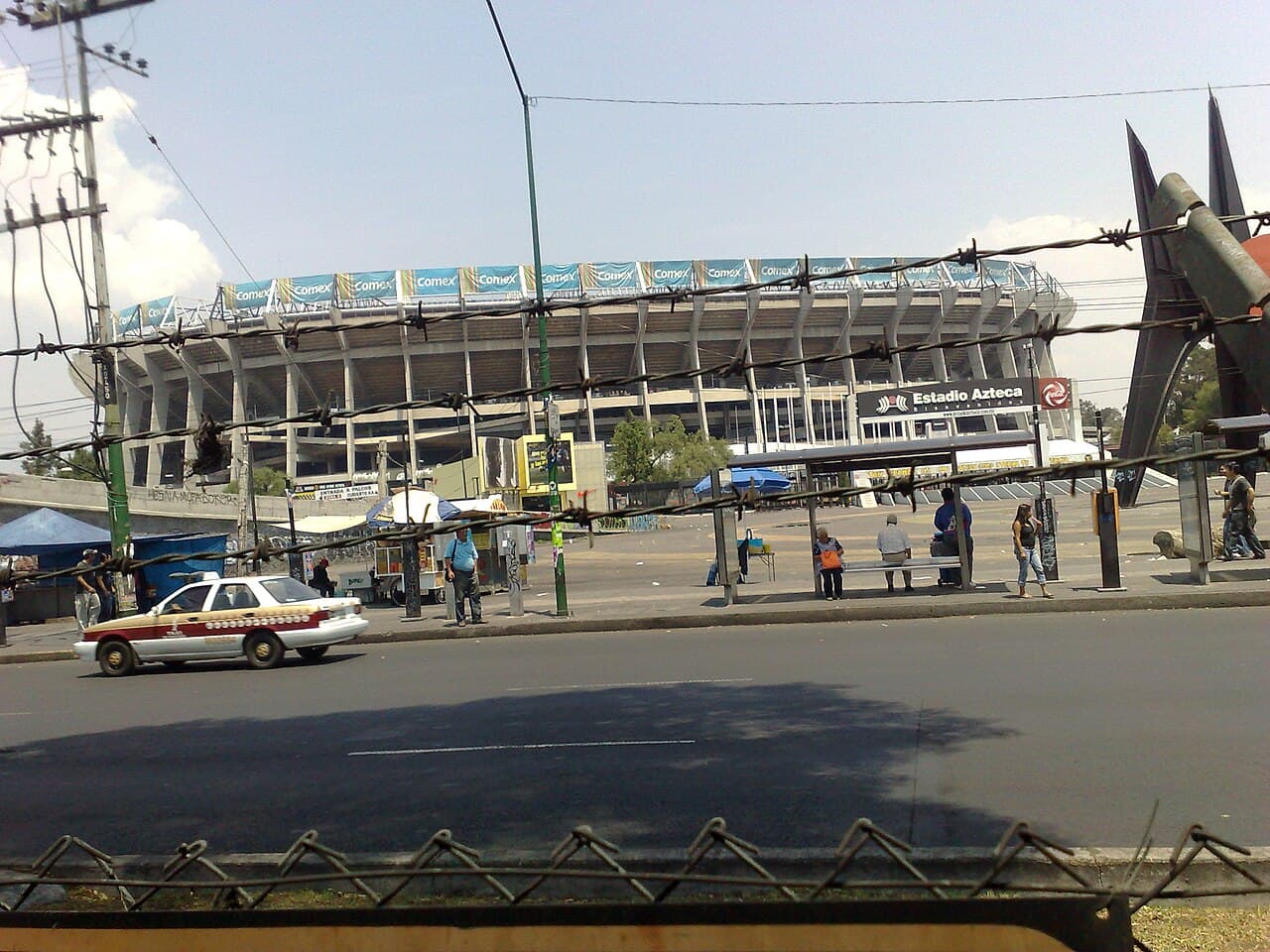
The tournament kicks off at the iconic Estadio Azteca in Mexico City. The choice is deliberate and symbolic: the Azteca becomes the first stadium ever to host matches at three different World Cups, having staged the 1970 and 1986 finals — including Pelé's Brazil masterclass and Diego Maradona's "Hand of God" quarter-final. Opening at altitude in Mexico City, where the thin air notoriously saps stamina, also sets an early test of conditioning that recurs as a theme throughout this tournament.
Group Stage — 11 to 27 June
All 48 teams play their three group matches across the opening fortnight. The 12 groups of four feed into a new knockout round, with the top two from each group plus the eight best third-placed teams advancing to a 32-team bracket. Expect a relentless schedule in this window — multiple matches every day, often in overlapping time slots across three time zones — as organisers fit 72 group games into just over two weeks. For neutrals, the final round of group fixtures (kicked off simultaneously within each group to prevent collusion) is traditionally the most dramatic stretch of any World Cup.
The Knockout Rounds
From the round of 32 onwards, every match is single-elimination — win or go home, with extra time and penalties settling draws. The approximate timeline runs as follows:
- Round of 32 — late June into early July. A brand-new stage created by the 48-team format, and the first true knockout test.
- Round of 16 — early July, narrowing the field to the last eight.
- Quarter-finals — around 9 to 11 July.
- Semi-finals — around 14 and 15 July.
- Third-place play-off — 18 July.
- Final — 19 July at MetLife Stadium, New York / New Jersey.
One subtlety worth noting: as the rounds progress, the gaps between matches lengthen, giving the surviving teams more recovery time but also longer to stew on the pressure. The deeper a team goes, the more rest it earns — a reward that can matter enormously in the summer heat.
How the Final Week Played Out
The schedule above held. These are the results of the last four matches:
- Semi-final, 14 July: France 0–2 Spain.
- Semi-final, 15 July: England 1–2 Argentina.
- Third-place play-off, 18 July: England 6–4 France, at Hard Rock Stadium, Miami Gardens. Bukayo Saka scored a hat-trick. It was the first time England had won a third-place play-off.
- Final, 19 July: Spain 1–0 Argentina after extra time, at MetLife Stadium. Ferran Torres scored in the 106th minute. Argentina played extra time with ten men after Enzo Fernández was sent off for a second yellow card in stoppage time.
Why This Calendar Is Different
The headline change is volume. A team that reaches the final will play up to eight matches — one more than the seven required in the 32-team era. Combined with long-haul travel between host cities spread across a continent and temperatures that can climb sharply in June and July, the physical demand on squads is unprecedented. This is why several venues with air-conditioned, roofed stadiums are likely to be favoured for the hottest afternoon kick-offs, and why squad depth and rotation may decide the tournament as much as raw quality.
A Note for Fans and Viewers
Because matches are spread across North American time zones — from Eastern Time on the US east coast to Pacific Time on the west and in Vancouver — kick-off times will vary widely depending on where each game is staged. International viewers should check the local time of the specific venue rather than assuming a single "World Cup time". The group stage offers the most football per day; the knockout rounds spread out into marquee single fixtures.
Frequently Asked Questions
When does the 2026 World Cup start and finish?
It runs from 11 June 2026 (opening match at the Estadio Azteca) to the final on 19 July 2026 at MetLife Stadium.
How many matches are there in total?
104 — up from 64 in 2022 — because of the expansion to 48 teams and the added round of 32.
How many games will the winners play?
Eight, one more than in the previous 32-team format. Spain played eight matches on the way to the title.
Who won the 2026 World Cup final?
Spain beat Argentina 1–0 after extra time at MetLife Stadium on 19 July 2026.
Key Takeaways
- The tournament spans 39 days, 11 June to 19 July, with 104 matches — the biggest World Cup ever.
- Spain won the final 1–0 after extra time against Argentina; England took third place.
- The Estadio Azteca opens proceedings; MetLife Stadium hosts the final.
- An extra knockout round and continental travel make scheduling, rest and squad depth decisive.