
The 2026 FIFA World Cup will be played across 16 host cities in three countries — the United States, Mexico and Canada — making it the most geographically sprawling World Cup ever staged. From Vancouver in the north-west to Miami in the south-east, here is the complete guide to where the action happens.
United States (11 Cities)
- New York / New Jersey — MetLife Stadium, which hosts the final on 19 July 2026.
- Los Angeles — SoFi Stadium, Inglewood, one of the most advanced venues in world sport.
- Dallas — AT&T Stadium, Arlington, expected to host a large share of knockout games.
- San Francisco Bay Area — Levi's Stadium, Santa Clara.
- Miami — Hard Rock Stadium.
- Atlanta — Mercedes-Benz Stadium, a climate-controlled indoor arena.
- Seattle — Lumen Field.
- Philadelphia — Lincoln Financial Field.
- Houston — NRG Stadium.
- Kansas City — Arrowhead Stadium, famed for its atmosphere.
- Boston — Gillette Stadium, Foxborough.
Mexico (3 Cities)
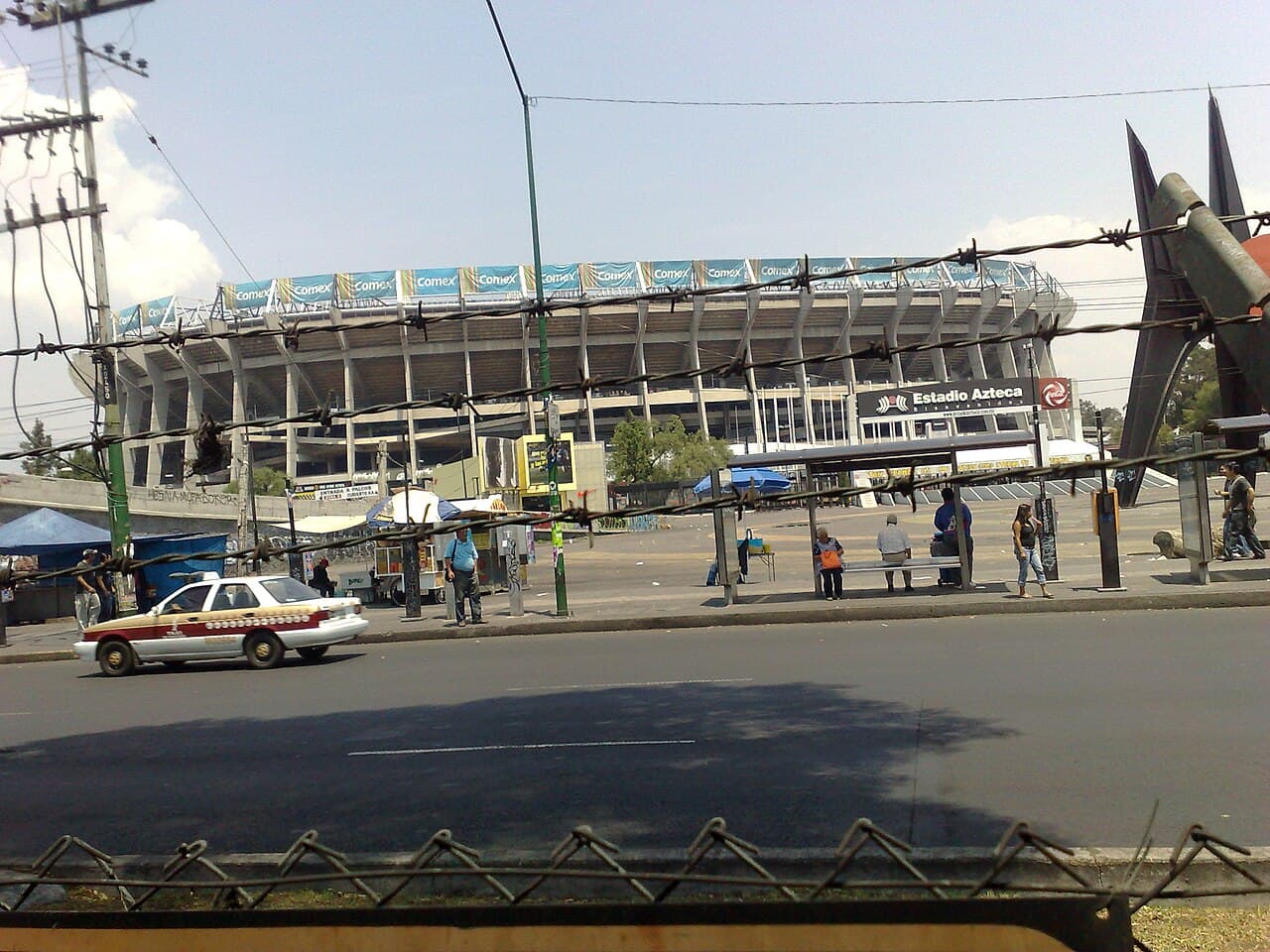
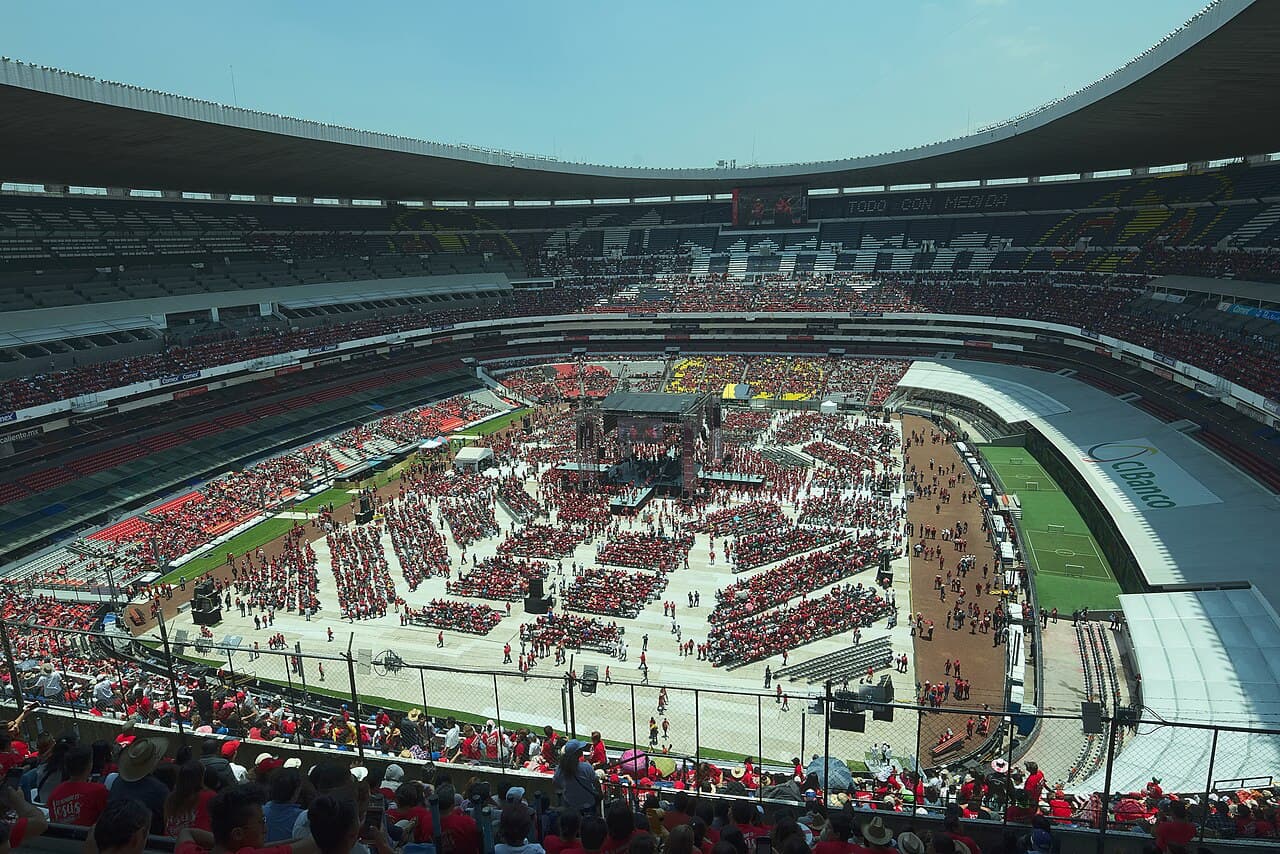
- Mexico City — Estadio Azteca, which stages the opening match and becomes the first stadium to host games at three different World Cups (1970, 1986, 2026).
- Guadalajara — Estadio Akron.
- Monterrey — Estadio BBVA.
Canada (2 Cities)
- Toronto — BMO Field.
- Vancouver — BC Place.
The Showpiece Venues
Two stadiums carry special significance. The Estadio Azteca in Mexico City hosts the opening match, extending a World Cup legacy that already includes the 1970 and 1986 finals — making it the first venue to feature at three separate tournaments. The final itself will be played at MetLife Stadium in the New York/New Jersey area on 19 July 2026, a venue chosen partly for its enormous capacity and its position in the largest media market in the United States.
Three Regional Clusters
To make sense of the sprawl, it helps to think of the venues in three broad regions. The Western cluster — Los Angeles, the Bay Area, Seattle, Vancouver, Guadalajara — pairs Pacific-coast cities with northern Mexico. The Central cluster — Dallas, Houston, Kansas City, Atlanta, Mexico City, Monterrey — sits in the warmer interior. The Eastern cluster — New York/New Jersey, Philadelphia, Boston, Miami, Toronto — runs up the Atlantic seaboard. Organisers have leaned on this geography to keep group-stage travel manageable, with teams generally based in and around one region before the knockout rounds scatter them more widely.
Heat, Altitude and Indoor Roofs
Climate is the single biggest variable. June and July can bring fierce heat and humidity to southern venues like Dallas, Houston, Atlanta and Miami, while Mexico City adds the challenge of high altitude. This is why the roofed, air-conditioned stadiums — Atlanta's Mercedes-Benz Stadium, Dallas's AT&T Stadium, Houston's NRG Stadium and Los Angeles's SoFi Stadium — are so valuable: they offer controlled conditions for the hottest afternoon kick-offs, and several are strong candidates for high-profile knockout fixtures as a result. Northern venues such as Vancouver, Seattle and Toronto, by contrast, should offer cooler, more temperate conditions.
A Logistical Challenge Unlike Any Before
With venues separated by thousands of kilometres and multiple time zones, the 2026 World Cup asks more of squads logistically than any in history. A deep run can mean repeated long-haul flights, shifting climates and disrupted recovery. Travel planning, acclimatisation and squad rotation move from background concerns to genuine competitive factors — and the nations that manage them best may gain an edge as meaningful as any tactical tweak.
Frequently Asked Questions
How many host cities are there in 2026?
16 — eleven in the USA, three in Mexico and two in Canada.
Which stadium hosts the 2026 World Cup final?
MetLife Stadium in the New York/New Jersey area, on 19 July 2026.
Where is the opening match?
The Estadio Azteca in Mexico City, which becomes the first stadium to host matches at three different World Cups.
Which stadiums have roofs or air conditioning?
Venues including Atlanta, Dallas, Houston and Los Angeles offer enclosed or climate-controlled environments, valuable for the hottest fixtures.
Key Takeaways
- 16 cities across three nations — the largest World Cup footprint ever staged.
- Estadio Azteca opens the tournament; MetLife Stadium hosts the final.
- Venues split into western, central and eastern clusters to limit group-stage travel.
- Heat, altitude and continental distances make conditions and logistics decisive for every squad.