
Update, 18 October 2026: the tournament is over. Spain won it, beating defending champions Argentina 1–0 after extra time in the final at MetLife Stadium on 19 July, with Ferran Torres scoring in the 106th minute. This guide was written before the opening match and is kept as a record of how the 48-team format was set up. For how it played out, read our full review of Spain's win.
The 2026 FIFA World Cup is set to be the biggest and most ambitious tournament in the competition's history. For the first time, it will be co-hosted by three nations — the United States, Canada and Mexico — and expanded to 48 teams playing 104 matches across 16 host cities. Here is everything you need to know before a ball is kicked.
A Tournament of Firsts
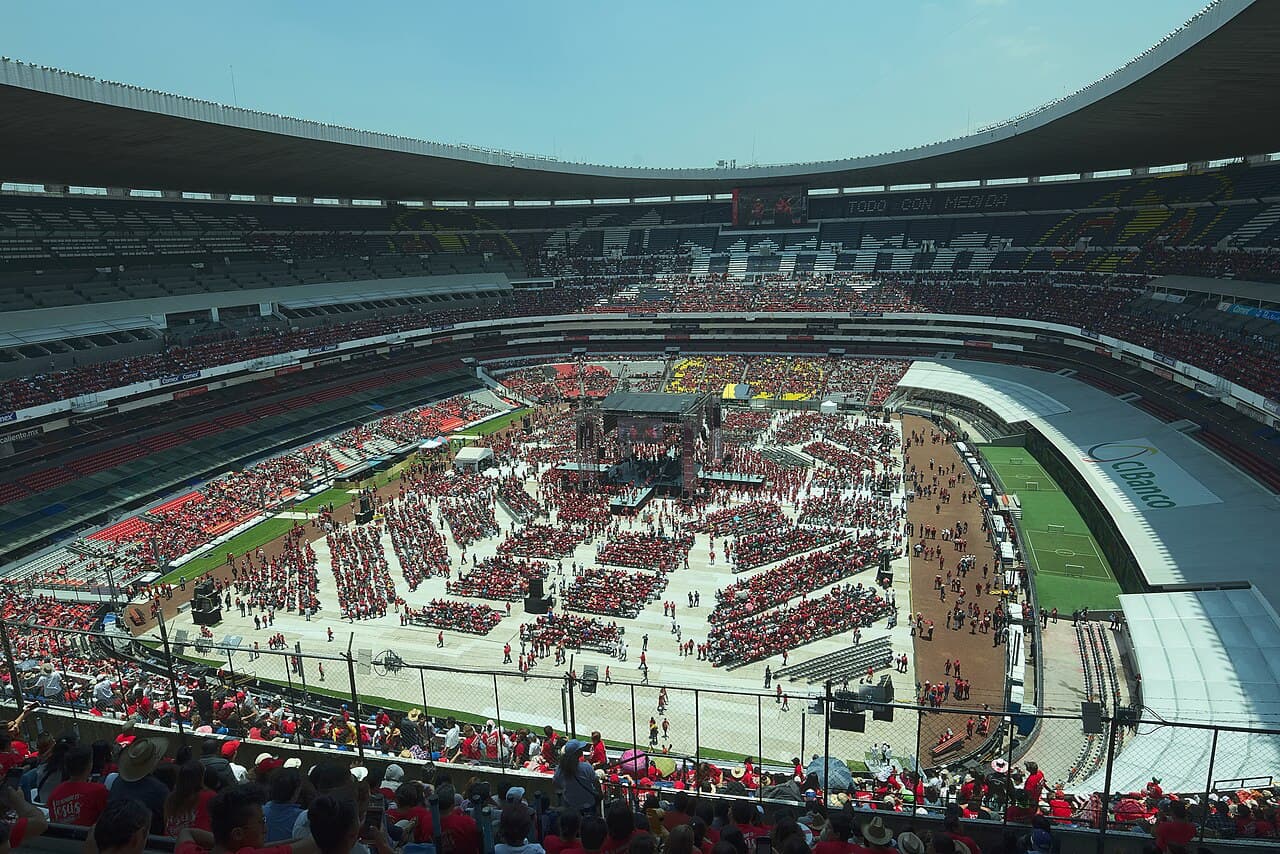
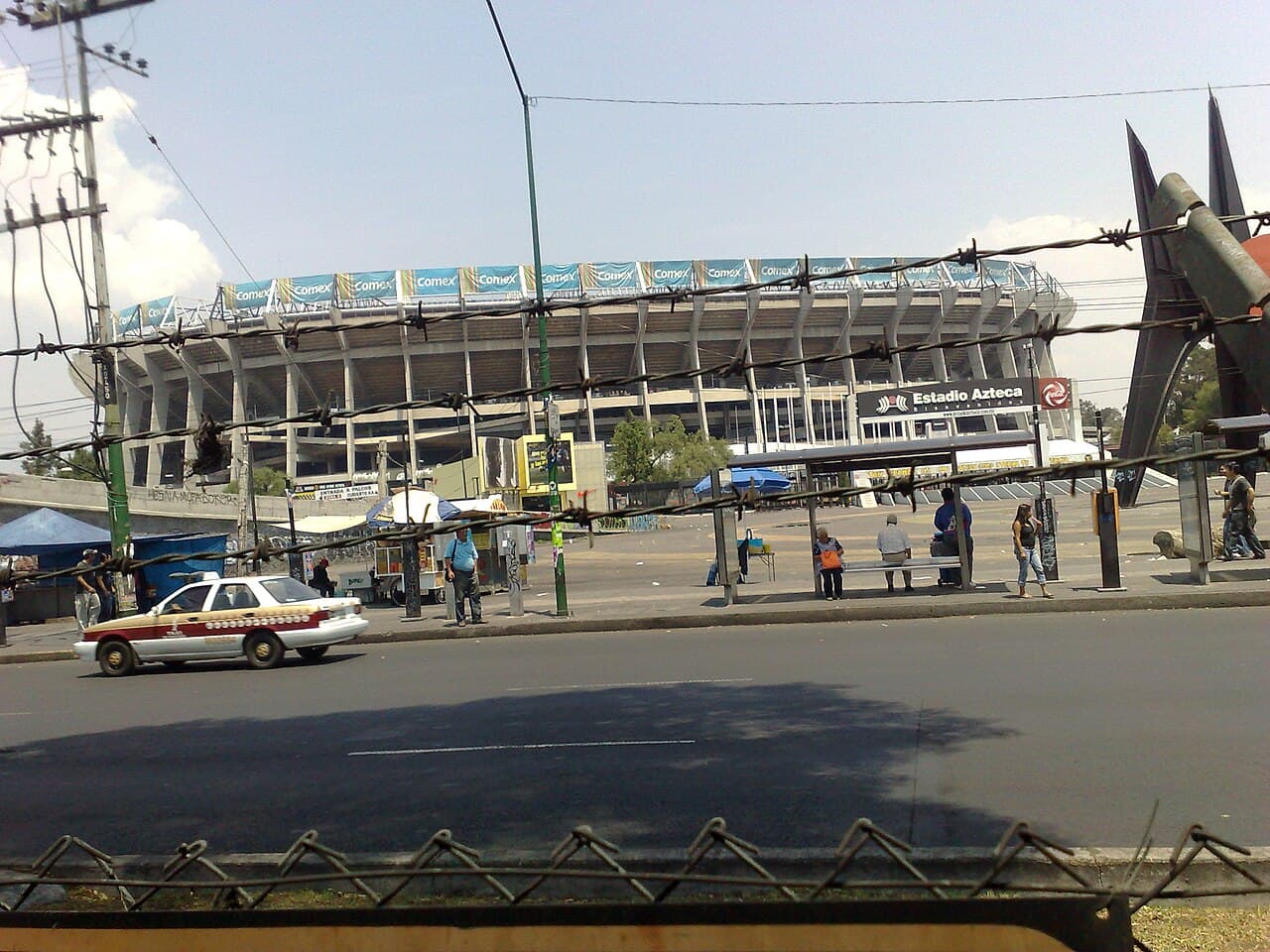
2026 breaks new ground in several ways. It is the first World Cup hosted by three countries, the first with 48 teams (up from 32), and the first to feature a brand-new knockout round — the round of 32. Mexico's Estadio Azteca also becomes the first stadium ever to host matches at three different World Cups, having previously staged the 1970 and 1986 finals.
How the New 48-Team Format Works
The 48 qualified nations are drawn into 12 groups of four. Each team plays the other three in its group once. From there:
- The top two from each group advance automatically — that is 24 teams.
- The eight best third-placed teams across all 12 groups also progress.
- That fills a 32-team knockout bracket: round of 32, round of 16, quarter-finals, semi-finals and the final.
The expansion means more nations than ever get a shot at the global stage, and a strong third-place finish can still be enough to survive — raising the stakes in every final group match.
The Three Hosts and 16 Cities
Matches are spread across North America: 11 cities in the USA (including New York/New Jersey, Los Angeles, Dallas, Atlanta, Miami, Seattle, Philadelphia, Houston, Kansas City, Boston and the San Francisco Bay Area), three in Mexico (Mexico City, Guadalajara, Monterrey) and two in Canada (Toronto and Vancouver).
Key Dates
The tournament runs from 11 June to 19 July 2026. The opening match is at the Estadio Azteca in Mexico City, and the final will be played at MetLife Stadium in New Jersey. The group stage occupies the first fortnight, with the knockout rounds filling the back half.
The Favourites
Reigning champions Argentina, alongside perennial powers France, Brazil, Spain, England and Germany, head the betting. But the expanded field and gruelling North American summer — long travel and high heat — could level the playing field and open the door for dark horses such as Morocco, Portugal and a home-advantaged USA.
What Makes 2026 Different
Beyond the format, the logistics are unprecedented. With venues stretching from Vancouver to Miami, squads face long flights and a mix of climates, including several climate-controlled indoor stadiums. Squad depth and clever rotation may matter more than ever before.
How the Field Grew Across the Confederations
Expanding to 48 teams meant every confederation received a larger allocation of qualifying places, widening the door for nations that had rarely, or never, reached the finals. Qualification is run separately by each regional body — Europe (UEFA), South America (CONMEBOL), Africa (CAF), Asia (AFC), North and Central America (CONCACAF) and Oceania (OFC) — over a campaign lasting the best part of two years. As co-hosts, the United States, Canada and Mexico took their places automatically, a long-standing World Cup tradition. The tournament has grown steadily over the decades — from 16 teams to 24 in 1982, to 32 in 1998, and now to 48 — each expansion broadening football's global reach and giving a wider spread of playing cultures a place on the sport's biggest stage.
The Round of 32 and the Demands on Squads
The new round of 32 adds an extra knockout tie before the stages fans already know. For the teams that go deepest, that means potentially playing eight matches rather than seven to lift the trophy. Combined with a North American summer and venues separated by thousands of miles, the physical toll is significant. Managers will lean heavily on squad depth, rotating players to manage fatigue, guard against injury and cope with contrasting climates. The ability to freshen a side without weakening it — and to adapt tactically across a longer run — could prove as decisive as star quality.
Three Hosts, One Tournament
Staging a World Cup across three countries is a logistical undertaking on a scale never attempted before. Organisers must coordinate travel, training bases, security and border arrangements between the United States, Canada and Mexico, while spreading matches so that host cities and supporters are not overburdened. For fans, the shared model offers the chance to follow a team across genuinely different environments, from Canadian cities in the north to the heat and altitude of Mexico. For the teams, choosing a base camp and planning internal travel becomes an early strategic decision that can shape a whole campaign.
Time Zones, Broadcasting and the Fan Experience
With venues stretching across several North American time zones, kick-off times must balance the needs of local crowds against a worldwide television audience. For viewers in Europe, Africa and Asia, many matches will fall in the evening or late at night, while the Americas enjoy more convenient scheduling. The wide geography also shapes ticketing and travel budgets for visiting supporters, who may need to plan carefully around long internal flights. Even so, the tournament's reach into major population centres promises large, vibrant crowds and one of the most widely broadcast sporting events ever held.
Frequently Asked Questions
How many teams are in the 2026 World Cup?
48 — up from 32 at previous tournaments.
How many matches will be played?
104 in total, compared with 64 in 2022.
Where is the 2026 World Cup final?
At MetLife Stadium in New Jersey, USA, on 19 July 2026.
Key Takeaways
- First 48-team, three-nation World Cup — bigger than any before it.
- 12 groups of four feed a new 32-team knockout round.
- Runs 11 June–19 July 2026 across 16 cities in the USA, Canada and Mexico.