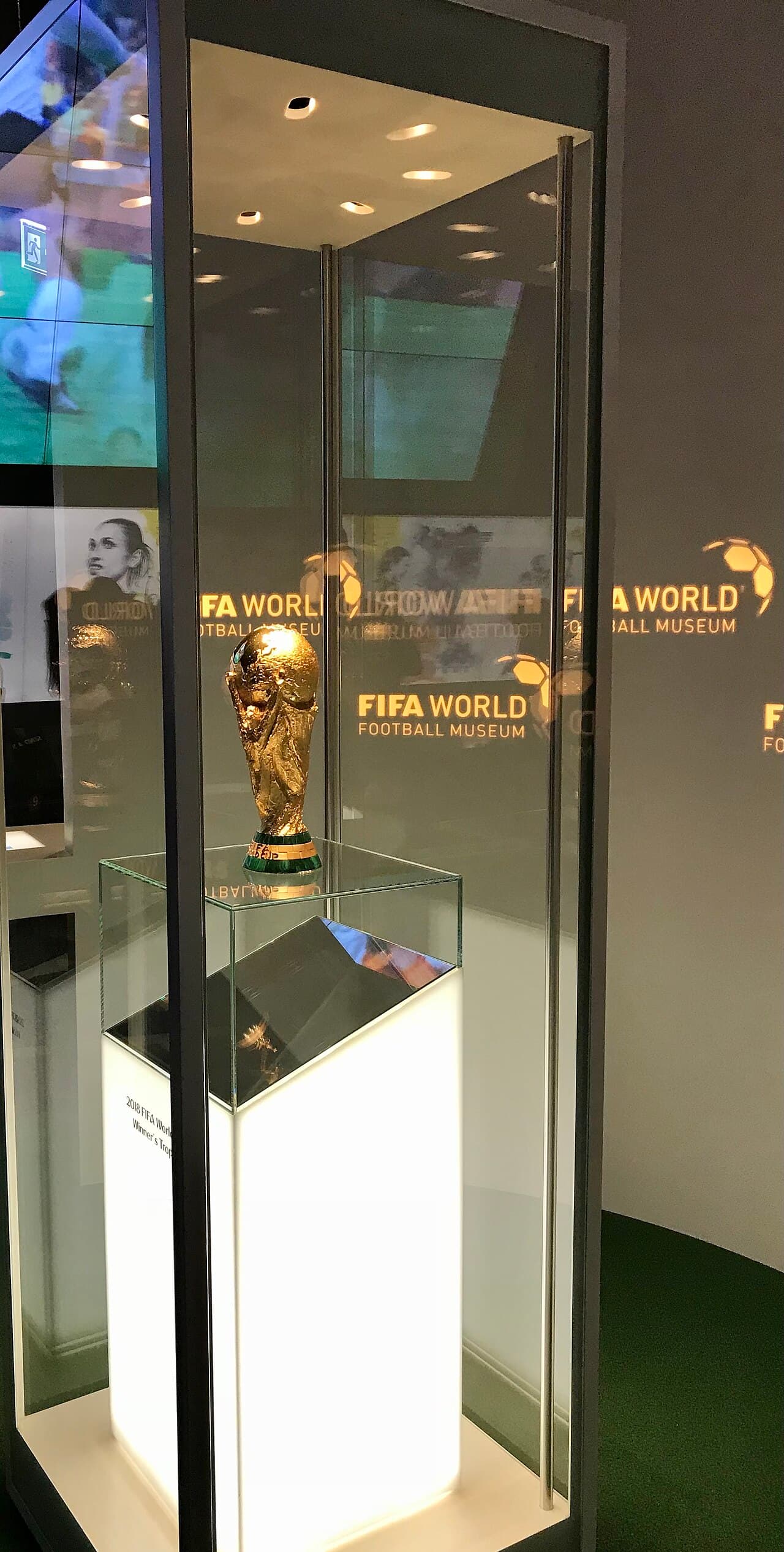
Spain are world champions for the second time. They beat defending champions Argentina 1–0 after extra time in the final at MetLife Stadium in New Jersey on 19 July 2026. Ferran Torres scored the only goal in the 106th minute. Three months on, with the results settled and the awards handed out, this is our look back at how the first 48-team World Cup was won, and what it tells us about the format.
The Final: Control Without a Goal, Then One Was Enough
For 90 minutes Spain had the ball and Argentina had the scoreline. CBS News' report on the final records that Spain outshot Argentina 20–3 over the match and that Argentina did not have a shot in regulation time. Spain took 15 shots in that period and could not beat Emiliano Martínez, who made a record number of saves for a World Cup final.
The match turned in stoppage time at the end of the second half. Enzo Fernández was sent off for a second yellow card, and Argentina played the whole of extra time with ten men. The winner came early in the second period of extra time. Torres, who had come off the bench in the 62nd minute, reacted first to a bouncing ball in the box and shot just under the crossbar. It was his first goal of the tournament.
The goal mattered, but so did the substitution. Spain's coach Luis de la Fuente, 65, sent on a fresh forward to face a tiring defence, and that forward decided the final. According to CBS News, de la Fuente is now the oldest coach to win a World Cup.
The Road to New Jersey
Spain's knockout run tested them against two of the pre-tournament favourites and an old Iberian rival:
- Round of 16, 6 July: Spain 1–0 Portugal. Mikel Merino scored in stoppage time, set up by Ferran Torres. It ended Cristiano Ronaldo's last World Cup.
- Semi-final, 14 July: France 0–2 Spain. France had been many people's favourites after a strong start to the tournament.
- Final, 19 July: Spain 1–0 Argentina, after extra time.
In the other semi-final, Argentina beat England 2–1. England then beat France 6–4 in the third-place play-off, the first time England had won that match.
Why Spain Won: A Defence That Barely Bent
The headline numbers are about goals scored, but Spain's title was built on goals not conceded. CBS News reports that they let in one goal in eight matches, the fewest ever conceded by a World Cup champion. Their goalkeeper Unai Simón won the Golden Glove, and the 19-year-old centre-back Pau Cubarsí was named Best Young Player.
This is our reading of it: in a tournament with an extra knockout round, conceding rarely is worth more than scoring freely. Every extra match is another chance for one mistake to end a campaign. Spain's three knockout wins shown above were by one or two goals, and they kept a clean sheet in every one of them. A team that relies on outscoring opponents has to keep doing it for eight games. A team that hardly concedes only needs one goal at the right moment, which is exactly how Spain won both the round of 16 and the final.
The Awards
- Golden Ball (best player): Rodri (Spain). Lionel Messi took the Silver Ball and Kylian Mbappé the Bronze.
- Golden Boot (top scorer): Kylian Mbappé (France), 10 goals. He is the first player to win it at two tournaments in a row, and he finished with 22 career World Cup goals, a new record.
- Golden Glove (best goalkeeper): Unai Simón (Spain).
- Best Young Player: Pau Cubarsí (Spain).
Three of the four individual awards went to Spanish players, and the one that did not went to the player Spain had shut out in the semi-final.
What the Tournament Overturned
Before the tournament, we noted that no European team had ever won a World Cup held in the Americas. Every one of those tournaments had been won by a South American side. Spain ended that run, and did it by beating a South American team in the final.
CBS News also reports two other firsts. Spain are the first country to hold the men's and women's World Cup titles at the same time. Their unbeaten run reached 38 matches, the longest by any European national team.
The expanded format did not produce a surprise winner. All four semi-finalists (Spain, Argentina, France and England) were former champions, and all were on the list of favourites before a ball was kicked. More teams did not mean more upsets at the sharp end. The extra round of 32 mostly gave the strongest squads one more game to get through.
The End of an Era
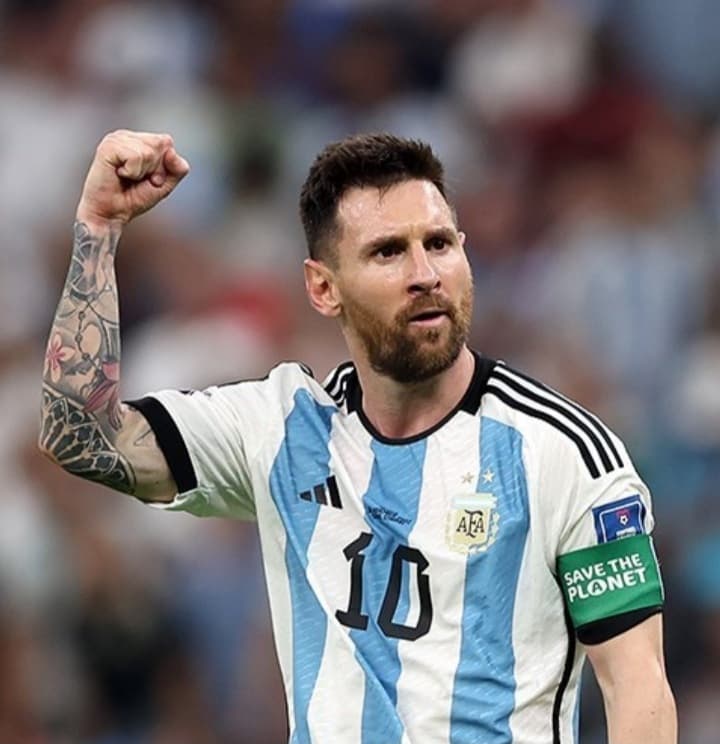
The tournament also closed the Messi and Ronaldo era at World Cups. Ronaldo became the first player to score at six World Cups before Spain knocked Portugal out. Messi scored eight goals and reached a third final. On 31 August he announced his retirement from the Argentina national team, so his World Cup total stays at 21, one behind Mbappé.
Frequently Asked Questions
Who won the 2026 World Cup?
Spain, beating Argentina 1–0 after extra time in the final on 19 July 2026 at MetLife Stadium, New Jersey.
Who scored the winning goal in the 2026 final?
Ferran Torres, in the 106th minute, after coming on as a substitute.
How many World Cups have Spain won?
Two: 2010 and 2026.
Who won the Golden Ball at the 2026 World Cup?
Rodri of Spain.
Who finished third?
England, who beat France 6–4 in the third-place play-off.
Key Takeaways
- Spain won their second World Cup, beating Argentina 1–0 after extra time; the winner came from a substitute, Ferran Torres.
- Spain conceded once in eight matches, the fewest by any champion, and won three of the four main individual awards.
- They are the first European team to win a World Cup held in the Americas.
- The first 48-team tournament produced no surprise semi-finalists: all four were former champions.
This article combines reported match facts, linked in the sources below, with our own analysis. The analysis sections are opinion.