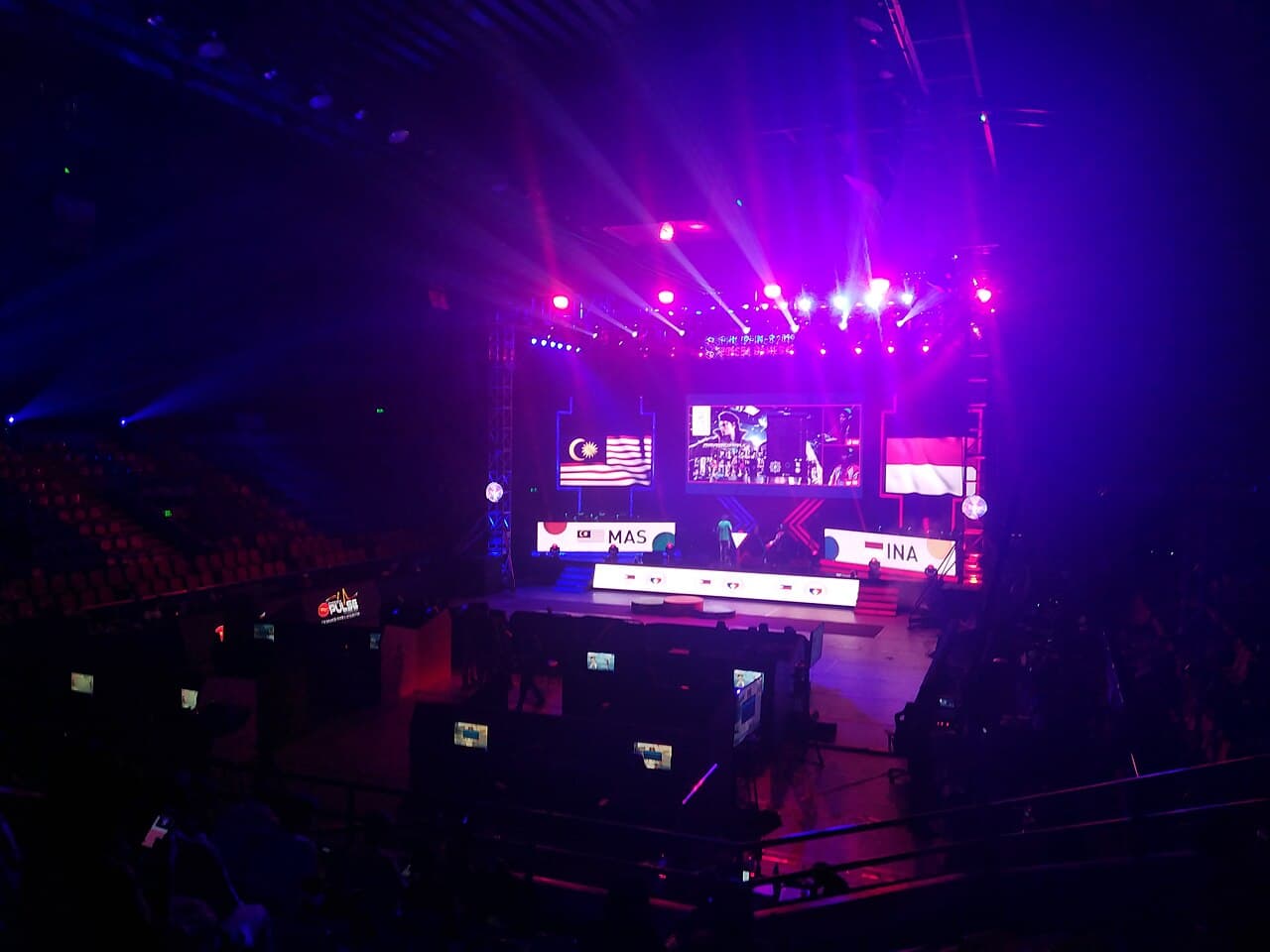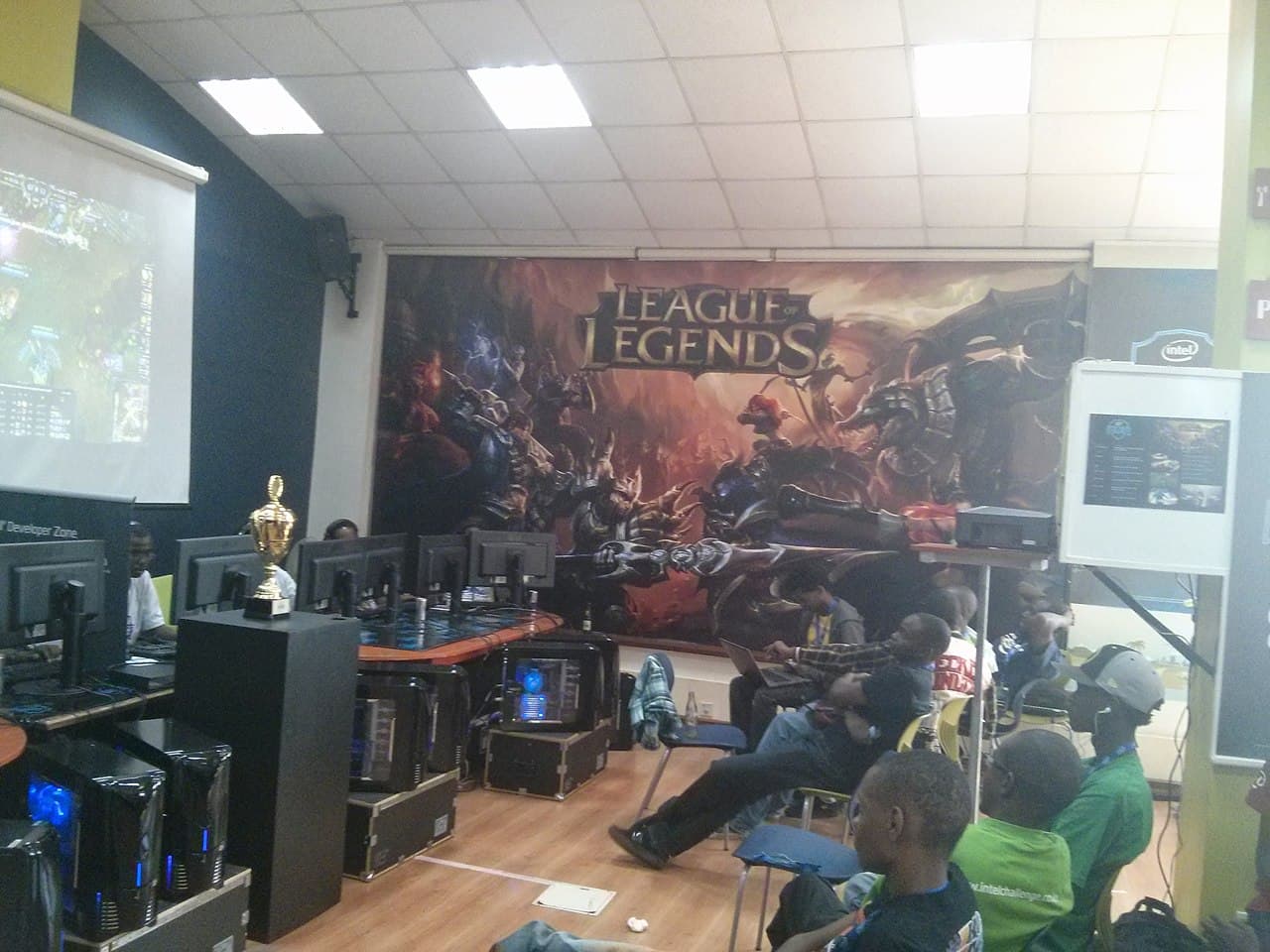

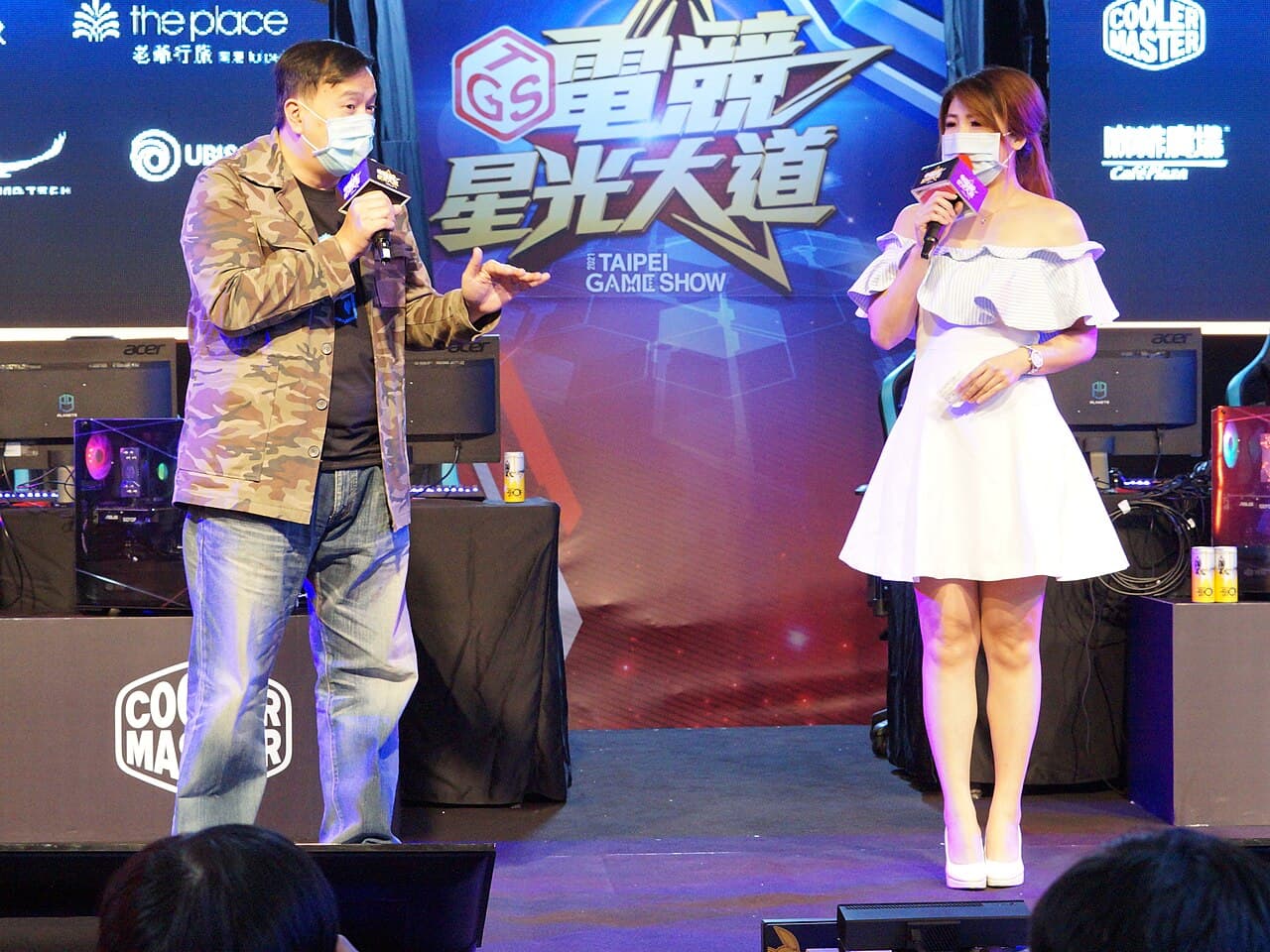
The Esports World Cup (EWC) has quickly established itself as the most ambitious event in competitive gaming — a multi-week, multi-title festival held in Riyadh, Saudi Arabia, with one of the largest prize pools the industry has ever seen.
A Multi-Title Festival
Unlike most tournaments, which focus on a single game, the EWC spans many titles at once — from MOBAs like Mobile Legends and League of Legends to shooters such as Counter-Strike 2 and battle royales like PUBG and Fortnite. Dozens of the world's top organisations compete across these disciplines over several weeks.
The Club Championship
A defining feature is the Club Championship, where organisations earn points based on results across every title they enter. It rewards depth and all-round excellence, not just a single standout team — and crowns an overall champion club at the end of the event.
Prize Money
The combined prize pool runs into the tens of millions of dollars across all titles, making it one of the richest events in esports history and a major payday for the teams and players involved.
Mainstream Crossover
The EWC reflects esports' continued march into the mainstream: traditional sports stars serve as ambassadors, broadcast production rivals major sports leagues, and the scale signals long-term investment in competitive gaming as global entertainment.
Why It Matters
By bringing many games under one banner with a unifying club competition, the EWC has created a season-defining event — a place where the best organisations in the world prove their all-round strength on one giant stage.
How a Cross-Title Format Changes Club Strategy
A competition scored across many games rather than one rewards breadth, and that reshapes how organisations plan. Rather than concentrating resources on a single flagship team, clubs are encouraged to build competitive rosters across a range of titles, from MOBAs to shooters to battle royales. Investing in depth across disciplines becomes a strategic advantage, since strong finishes in several games can outweigh a single trophy. This pushes organisations to think like multi-sport clubs, managing talent, coaching and infrastructure across very different genres.
What It Means for Players and the Calendar
For players, a marquee multi-title event adds a significant fixture to an already busy year. It offers a rare stage where stars from separate gaming communities share the same venue and spotlight, and where a strong showing can raise a player's profile well beyond their usual scene. At the same time, it intensifies debate about scheduling and workload, as competitors juggle their regular league seasons with additional high-stakes tournaments.
The Debate Over Large-Scale Investment
Ambitious, heavily funded events inevitably attract scrutiny. Supporters argue that major investment brings professional production, larger prize pools and greater stability to a young industry, helping players earn a sustainable living. Sceptics question whether such spending is durable, whether it reflects the organic popularity of the games involved, and how the source of funding shapes the wider ecosystem. These conversations reflect a broader uncertainty about how esports should grow and who should pay for it.
A New Model Alongside the World Championships
Traditional esports crowns its champions through single-game world championships, each the pinnacle of its own title. A cross-title festival sits alongside those events rather than replacing them, offering a different kind of prestige built on all-round organisational strength. Its emergence reflects the ongoing professionalisation of competitive gaming, as the industry adopts the structures, calendars and commercial ambitions long familiar in traditional sport.
Frequently Asked Questions
Where is the Esports World Cup held?
In Riyadh, Saudi Arabia.
What makes it different from other tournaments?
It spans many games at once and crowns an overall champion club via a cross-title points system.
Key Takeaways
- A multi-game festival with a huge combined prize pool.
- The Club Championship rewards all-round organisational strength.
- A sign of esports' growing mainstream scale and investment.