
The battle royale genre exploded in the late 2010s and reshaped gaming. If you have heard of PUBG, Fortnite, Apex Legends or Warzone, you have heard of battle royale — but what actually defines it, and how did it take over the world?
The Core Idea
Dozens of players — often up to 100 — drop onto a large map with nothing and scavenge for weapons, armour and gear. A shrinking play zone forces everyone closer together over time, and the last player or team standing wins. Every match starts equal and ends in a single survivor.
How It Took Over
The format grew out of game mods inspired by survival fiction, was popularised by PlayerUnknown's Battlegrounds (PUBG) in 2017, and then exploded into the mainstream when Fortnite made it free-to-play, colourful and cross-platform. Suddenly the genre was everywhere, from living rooms to phones.
The Big Names
- PUBG: the realistic title that defined the modern formula.
- Fortnite: the free, building-based phenomenon that crossed into pop culture.
- Apex Legends: hero-based, squad-focused and fast-paced.
- Call of Duty: Warzone: a blockbuster shooter's take on the genre.
Why It Works
Every match is different, the tension ramps up as the zone closes, and a single great game can come down to one final firefight. The "anyone can win" promise and short, repayable matches make it perfect for both casual play and high-stakes competition.
Battle Royale as Esports
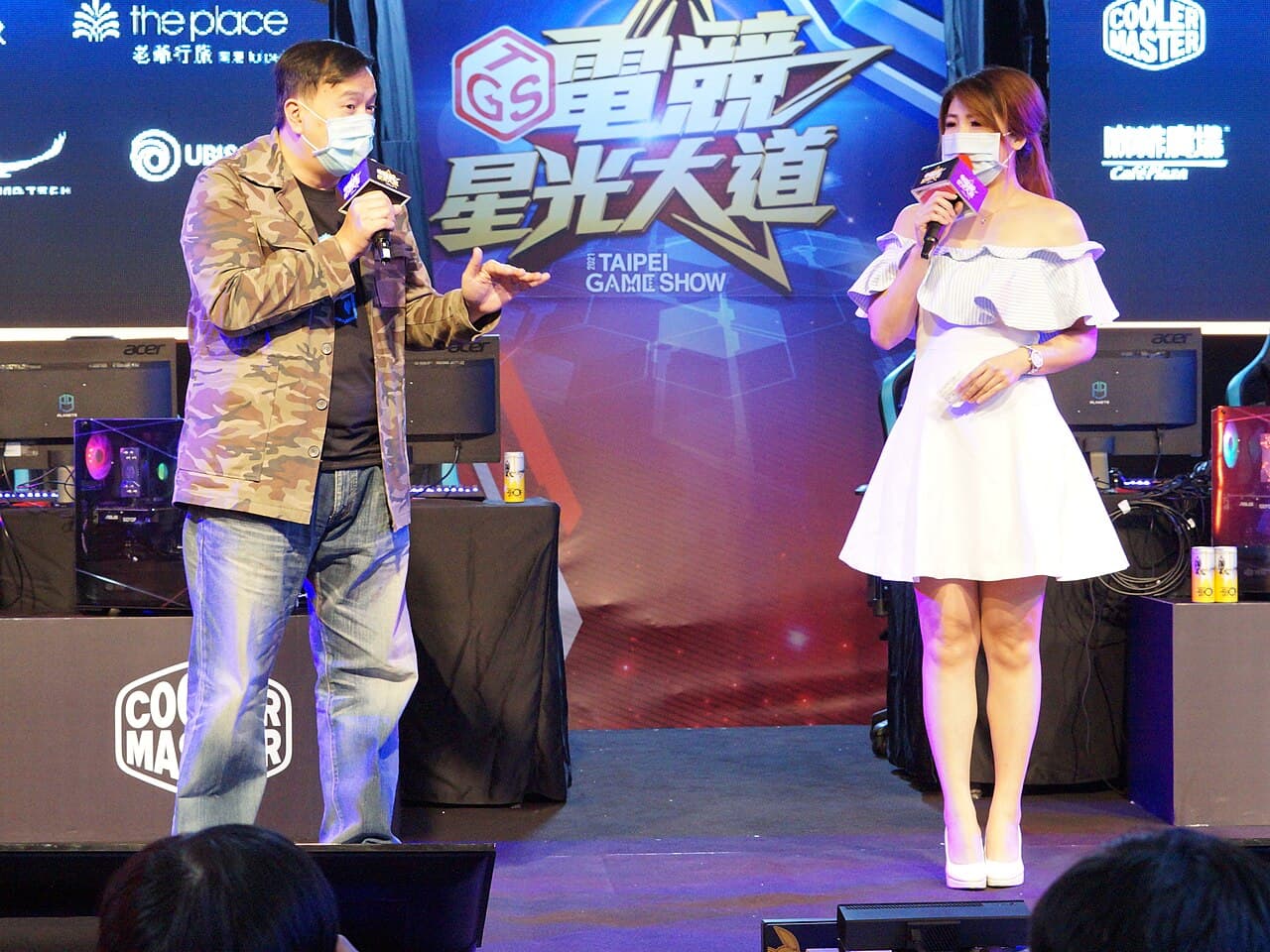
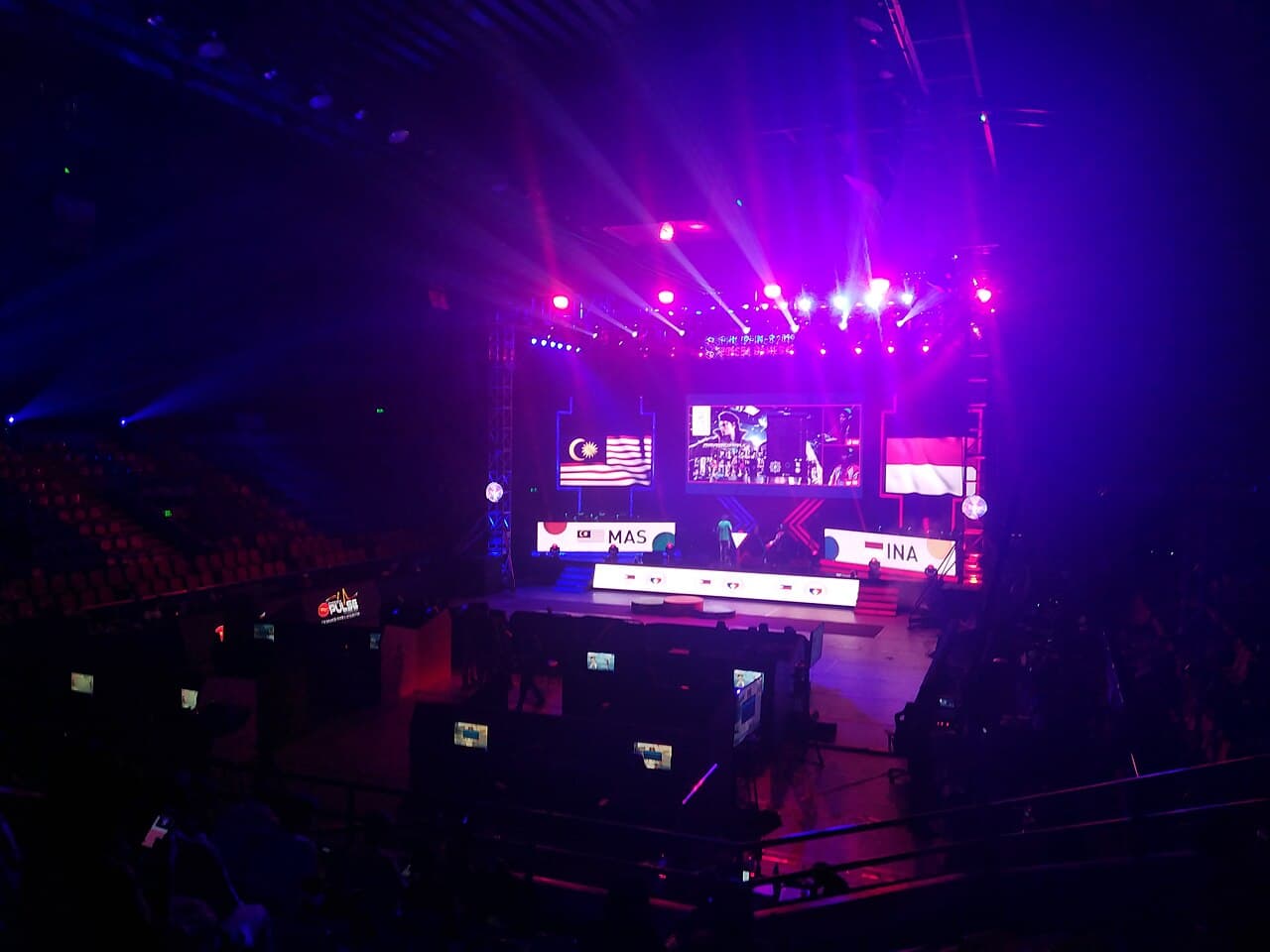
The genre has produced major esports circuits with large prize pools, though the format poses unique broadcasting challenges — following dozens of players at once is harder than a traditional five-versus-five. Organisers have developed scoring systems that reward both placement and kills to keep competition fair.
The Mechanics Behind Every Match
Beneath the simple premise lies a set of mechanics that reward smart decisions. Matches begin with looting, searching buildings and the map for weapons, armour, ammunition and healing items, and the quality of your early gear often shapes your options later. As the match progresses, a shrinking boundary, commonly called the circle or the storm, herds surviving players into an ever-smaller area, forcing confrontations and preventing anyone from hiding indefinitely.
Positioning is therefore crucial: holding high ground, using cover and anticipating where the safe zone will close can matter more than raw aim. A common hazard is third-partying, where a team attacks two opponents already weakened from fighting each other, a reminder that winning one gunfight can leave you exposed to the next threat.
Solo, Duo and Squad Play
Most battle royale games offer several modes, and strategy shifts with each. In solo play, self-reliance and caution rule, since there is no one to revive you. Duos and squads introduce teamwork: sharing loot, reviving downed teammates and coordinating pushes. Communication and role-sharing become as important as individual skill, and clever teams often win by playing the zone patiently rather than chasing every kill.
The Free-to-Play Business Model
A major reason the genre spread so quickly is its business model. Many of the biggest titles are free-to-play, removing the cost barrier and allowing enormous player bases to form. Revenue instead comes largely from cosmetic items and the battle pass, a seasonal system that rewards players with unlockable content as they play. Because these purchases are typically cosmetic rather than performance-boosting, players can compete on a level field regardless of spending, which has helped the model win broad acceptance.
Keeping the Genre Fresh
To hold players' attention, developers treat these games as evolving services rather than fixed products. Regular seasons introduce new content and themes, maps are reworked or replaced, and limited-time live events can change the world in dramatic, one-off moments. At the top level, the best players stand out through sharp game sense, quick and accurate aim, disciplined positioning and the composure to make good decisions under pressure as the zone closes in.
Frequently Asked Questions
What does "battle royale" mean in gaming?
A last-one-standing format where many players fight on a shrinking map until one player or team remains.
What was the first big battle royale game?
PUBG popularised the modern formula in 2017, before Fortnite took it mainstream.
Key Takeaways
- Many players, one shrinking map, last one standing wins.
- PUBG defined it; Fortnite made it a global phenomenon.
- Its unpredictability fuels both casual play and esports.