
The League of Legends World Championship, known universally as Worlds, is the crowning event of the competitive League of Legends calendar and one of the most-watched tournaments in all of esports. Staged each autumn by developer Riot Games, it gathers the best teams from every professional region to compete for the sport's most coveted prize. For players, organisations and fans alike, Worlds is the moment a full year of practice, roster changes and regional battles finally counts for something. This explainer breaks down what Worlds is, how teams reach it, how the tournament plays out and why it holds such an outsized place in the esports world.
What Worlds Is and Why It Matters
Worlds is an annual, invitation-by-merit championship that pits regional champions and top-performing teams against one another in a single global event. It functions much like a World Cup for League of Legends: the domestic seasons decide who qualifies, but the international stage is where legacies are made. A strong regular season or a domestic title is valuable, yet within the community a Worlds trophy is regarded as the ultimate validation of a team's era.
Its importance goes beyond the players. Worlds drives the narratives that define an entire competitive year, shapes the transfer market, and serves as the showcase Riot uses to demonstrate the health and reach of its game. For sponsors and broadcasters, it is the flagship product of a maturing industry.
How Teams Qualify Through Regional Leagues
Qualification runs through the professional leagues that operate across the globe. The most prominent include the LCK in Korea, the LPL in China, the LEC in Europe, and the top-tier league covering the Americas. Additional regions, covering areas such as the Asia-Pacific and other emerging scenes, also send representatives.
Not every region receives the same number of places. Riot allocates slots based on how each region has historically performed on the international stage, so the strongest leagues earn more berths. This is why the leading regions frequently send several teams while smaller regions may send only one.
- Teams typically qualify by winning or placing highly in their regional championship.
- Stronger regions receive more slots, reflecting past international results.
- Some places are decided through additional qualifying gauntlets or points systems within a region.
How the Tournament Is Structured
The exact format has evolved over the years, but the broad shape has stayed consistent. Worlds generally opens with a play-in stage, where teams from smaller regions and lower regional seeds compete for the final spots in the main event. From there, the tournament moves into a group or Swiss stage that narrows the field, before culminating in a single-elimination knockout bracket.
The knockout rounds are played as best-of-five series, a demanding format that rewards adaptability, deep champion pools and strategic drafting across multiple games. A single off-day can end a team's run, which adds enormous tension to every quarter-final, semi-final and the grand final itself.
The Summoner's Cup and the Spectacle
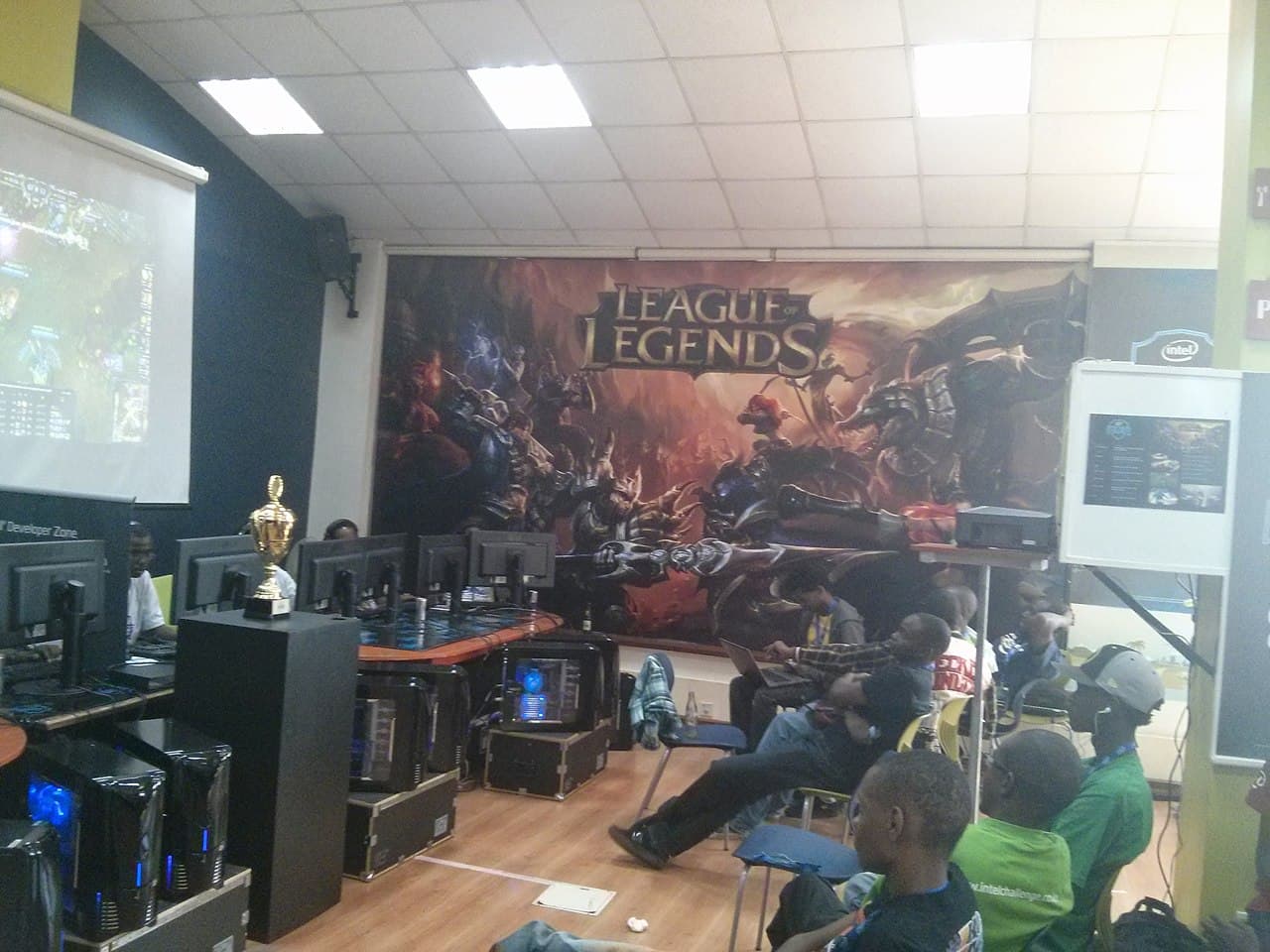
Champions lift the Summoner's Cup, an imposing silver trophy that has become an icon of the sport. Winning it confers lasting prestige, and the players who hoist it are enshrined in the game's history.
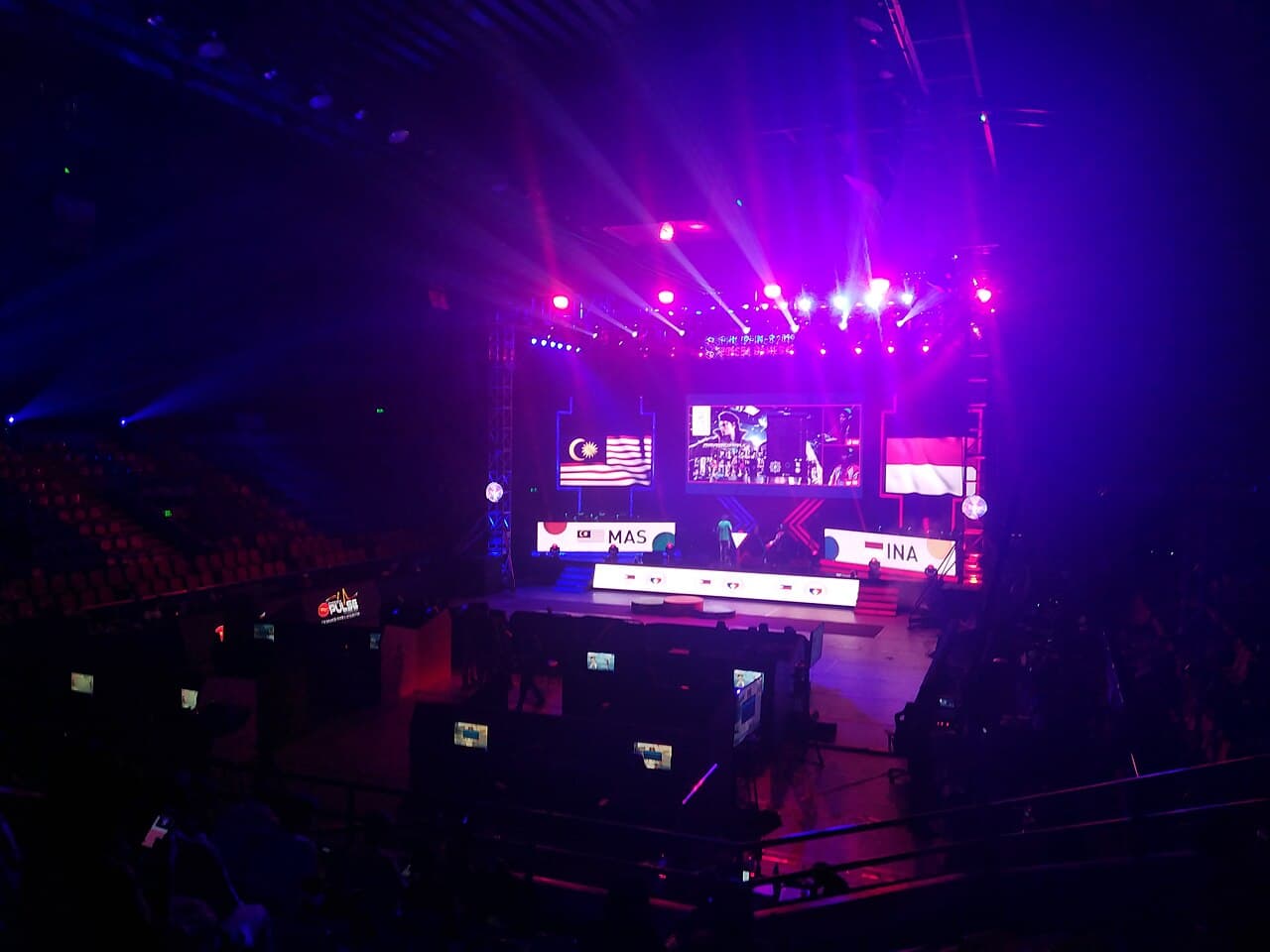
The event is staged with the scale of a major sporting occasion. Matches are played in large arenas, often selling out venues across host cities, and the grand final in particular is treated as a cultural showpiece.
- Elaborate opening ceremonies, frequently blending live music with augmented-reality effects.
- Multi-language broadcasts reaching a vast global audience online and in venues.
- Production values comparable to traditional televised sport.
Rivalries, Dynasties and Competitive Stakes
Much of Worlds' drama comes from regional rivalry. The Korean and Chinese leagues in particular have traded international dominance, and matches between their representatives carry the weight of national and regional pride. When a Western team topples an East Asian powerhouse, it becomes a landmark moment.
The tournament has also produced dynasties: organisations and rosters that string together sustained success and reshape how the game is played. These runs of dominance set the standards that every other team measures itself against, and dethroning a dynasty is treated as a defining achievement.
Frequently Asked Questions
How often is Worlds held?
Worlds takes place once a year, typically in the autumn, marking the climax of that season's competitive circuit before rosters and the metagame reset for the following year.
Do all regions get the same number of teams?
No. Slot allocation is weighted toward regions with stronger international track records, so the most successful leagues send more teams while smaller regions may qualify only a single representative.
What format are the deciding matches played in?
The knockout stage is contested in best-of-five series, meaning a team must win three games to advance. This longer format tests strategic depth and the ability to adjust between games.
Key Takeaways
- Worlds is the annual global championship of League of Legends, run by Riot Games and regarded as the sport's ultimate prize.
- Teams qualify through regional leagues such as the LCK, LPL, LEC and the Americas league, with stronger regions earning more slots.
- The event moves from a play-in through a group or Swiss stage to a single-elimination, best-of-five knockout bracket.
- Winners lift the Summoner's Cup amid arena-scale production, fierce regional rivalries and the making of competitive dynasties.