
The International (TI) is the annual world championship of Valve's Dota 2, and for years it boasted the largest prize pools in all of esports. Here are the essentials.
Community-Funded Prize Pools
What made TI famous is that fans help fund the prize pool: a portion of in-game Battle Pass and event sales is added to the pot, which historically pushed it past $30–40 million in peak years — far beyond a typical esports event and a record for the industry.
The Format
The world's top teams qualify through regional circuits and direct invites, then compete in a group stage followed by a double-elimination main-event bracket. Matches are best-of-three, with a best-of-five grand final that can stretch deep into a single dramatic night.
The Aegis of Champions
Winners lift the Aegis of Champions, one of the most prestigious trophies in gaming. Victory cements a roster's place in Dota history — and often delivers a life-changing payday split among the players.
A Global Spectacle
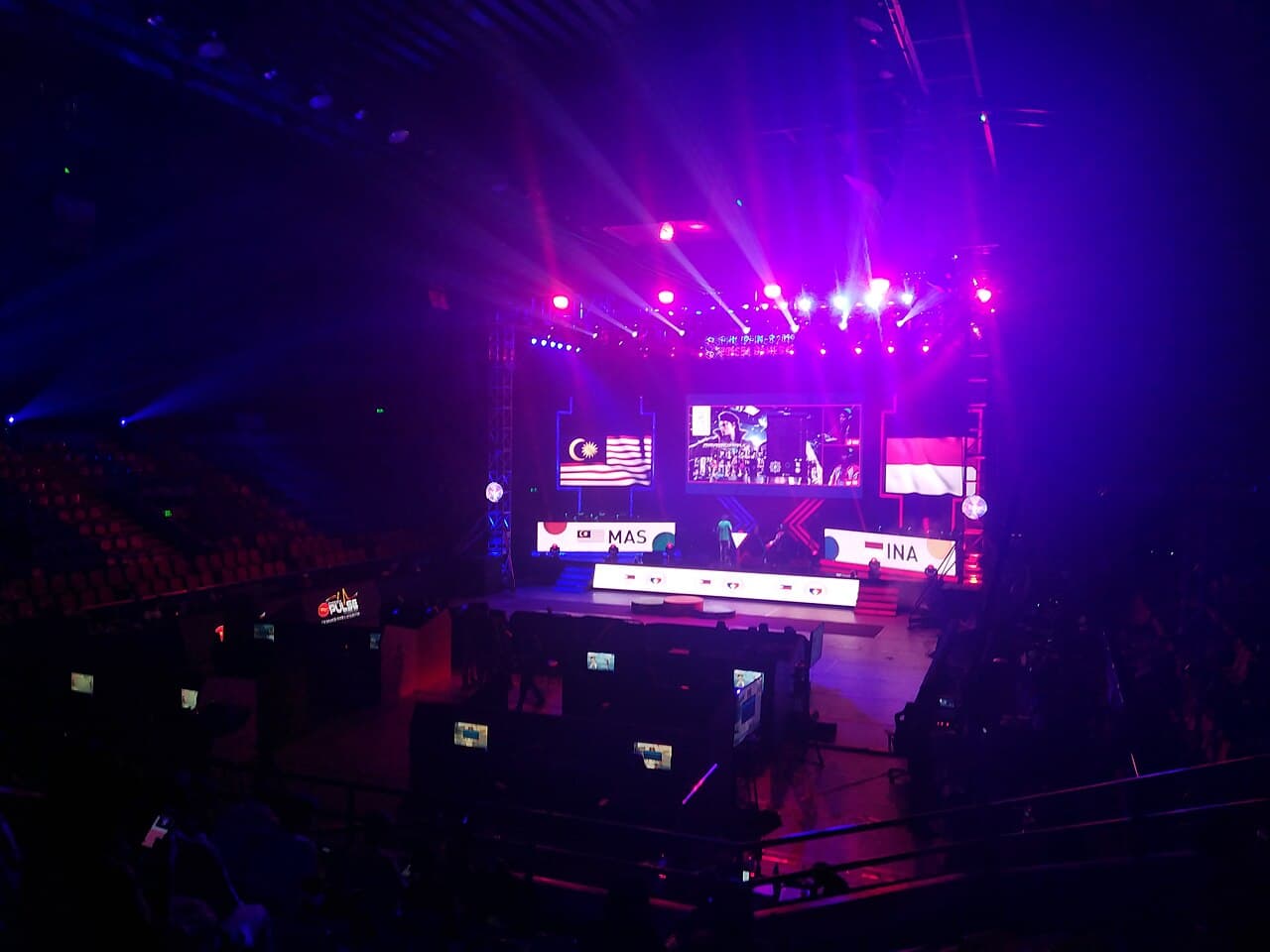
Held in major arenas around the world, TI combines elite play with elaborate production and a passionate live crowd. Its mix of enormous stakes and unpredictable, high-skill gameplay has produced some of esports' most memorable moments.
Why It Matters
For the Dota 2 community, TI is the event that defines the competitive year. The double-elimination format rewards resilience, and the community-funded prize pool gives fans a direct stake in the spectacle.
A Quick Guide to Dota 2 for Newcomers
To understand why The International matters, it helps to know the game beneath it. Dota 2 is a multiplayer online battle arena (MOBA) in which two teams of five players face off on a single map. Each player controls one hero from a large and varied roster, and the overriding objective is to destroy the opposing team's Ancient, a heavily defended structure at the heart of their base.
Getting there takes teamwork, map awareness and constant decision-making. Players gather gold and experience to grow stronger over the course of a match, push through defensive towers, and coordinate team fights that can swing the balance of power in seconds. Because the hero pool is so large and every game begins with a drafting phase, no two matches unfold in quite the same way, a depth that keeps the competitive scene endlessly watchable.
How the Double-Elimination Bracket Works
The main event's format is central to the drama. In a double-elimination bracket, teams begin in the upper bracket, where a single series loss does not end their run. A defeated team instead drops to the lower bracket, where they must keep winning to survive; a second loss eliminates them entirely.
This structure rewards resilience and produces some of the tournament's most compelling storylines. A team knocked down early can grind its way back through a gruelling run of must-win matches, while upper-bracket teams enjoy a valuable safety net and a shorter path to the final. The result is a format that punishes complacency but keeps hope alive for teams willing to fight through adversity.
Why TI Changed Esports Economics
The International's crowdfunded prize model did more than generate headlines. It showed that a dedicated community could underwrite a tournament on a scale traditional sponsorship struggled to match. By letting fans contribute directly through in-game purchases, the event tied its spectacle to the passion of the players who love the game, and gave supporters a genuine stake in the outcome. That approach influenced how the wider industry thought about funding, fan engagement and the commercial potential of competitive gaming.
The Weight of a Best-of-Five Final
Few moments in gaming carry the tension of a grand final. Stretching across a best-of-five series, it demands not only mechanical skill but composure under enormous pressure, with lasting prestige on the line. Momentum can shift game by game, forcing teams to adapt their drafts and strategies on the fly, and a single decisive team fight can define which roster lifts the trophy.
Frequently Asked Questions
What is the Dota 2 world championship called?
The International, or "TI".
Why are the prize pools so large?
Because fans crowdfund them through in-game purchases that add to the pot.
Key Takeaways
- TI is Dota 2's annual world championship, run by Valve.
- Fan-funded prize pools made it the richest in esports history.
- Champions lift the Aegis of Champions after a double-elimination bracket.