
Watch an NBA game and then an Olympic or World Cup basketball match and you will notice the international (FIBA) game feels different. The fundamentals are the same, but several rules are not — and those differences can catch even the world's best players out.
Game Length
The NBA plays four 12-minute quarters (48 minutes); FIBA plays four 10-minute quarters (40 minutes). NBA games are simply longer, which affects pacing, fatigue and scoring totals.
The Court and Three-Point Line
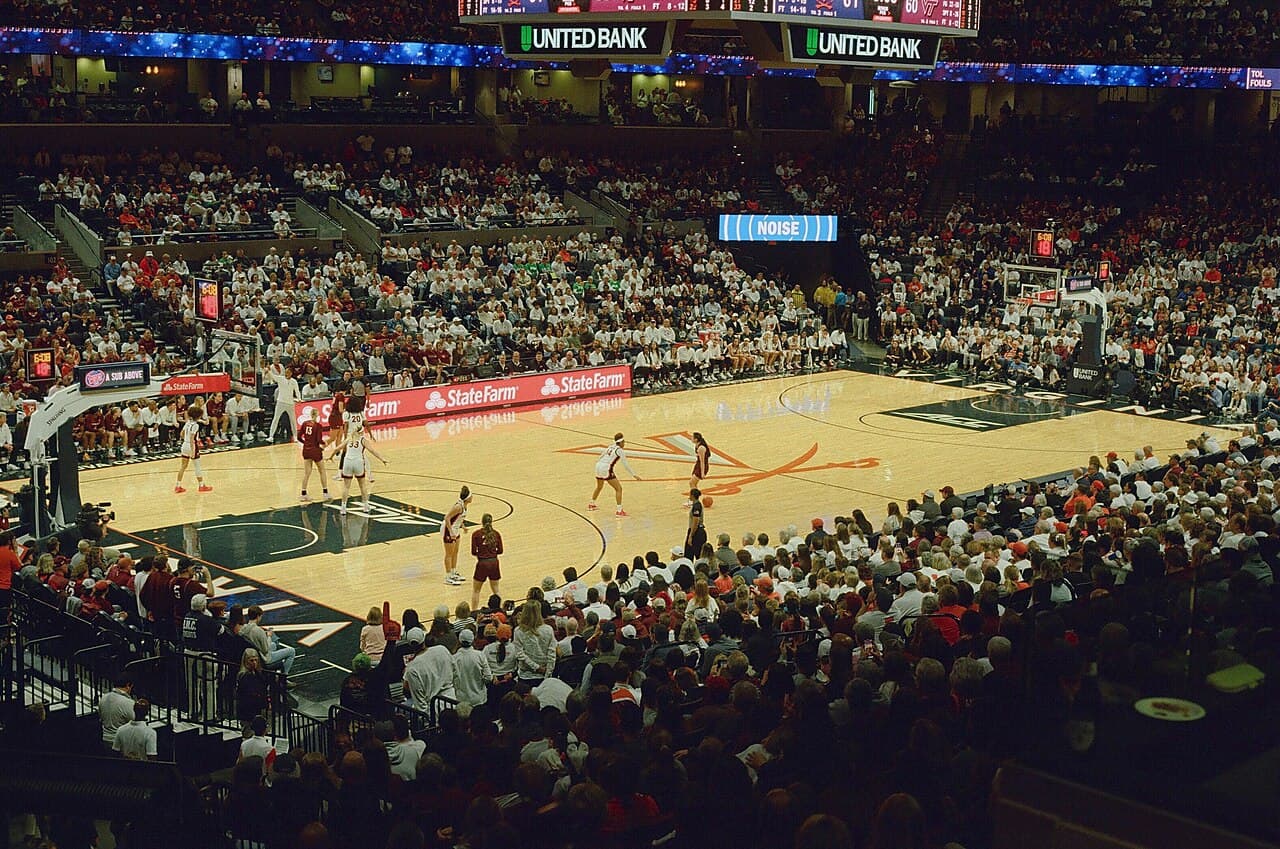
The NBA court is slightly larger and its three-point line is farther from the basket than FIBA's. The same shot can therefore be worth different things depending on the competition, and shooters must adjust their range when switching between the two.
The Ball and the Paint
There are subtle differences in ball specifications and the shape of the key (the painted area), which influence spacing and post play. Players moving between the leagues often need time to recalibrate.
Fouls and Defence
- Fouling out: players are disqualified after 6 personal fouls in the NBA, but only 5 in FIBA.
- Goaltending: FIBA allows players to legally play the ball off the rim in situations where the NBA would call goaltending.
- Defensive rules around three seconds and contact differ subtly, changing how teams set up.
Style of Play
Shorter games and a closer arc often make FIBA basketball feel more compact, tactical and physical, with a premium on team structure. The NBA's length and spacing tend to reward individual shot-making and pace.
Why It Matters
NBA stars switching to international duty have to adapt quickly to these rules — which is part of what makes global tournaments such a fascinating test, and why NBA dominance does not always translate to easy international success.
The Clock and the Bench
Both the NBA and FIBA use a 24-second shot clock, so at first glance the pace of possessions looks similar. The differences show up around it. The rules governing when the clock resets, how timeouts are called and how the closing minutes are managed are not identical, and these small gaps change the rhythm of a game.
Timeouts are a clear example. In the NBA, stoppages and broadcast breaks are woven tightly into the flow of a game, and there are more of them. Under FIBA rules timeouts are fewer and are generally requested by the coach at specific moments. With fewer chances to stop the clock and reset, international teams often have to solve problems on the floor themselves rather than relying on a coach's intervention.
Two Systems Governing One Global Game
The two rulebooks exist because they serve different purposes. The NBA is a single professional league based in North America, free to shape its rules around entertainment and its own competitive balance. FIBA, by contrast, is the sport's international governing body, and its rules apply to national-team basketball around the world — including the Olympic Games and the FIBA Basketball World Cup, as well as most domestic leagues outside the United States.
That split means the version of basketball a fan grows up with depends largely on where they live. It also means the biggest international tournaments are played under FIBA rules, so even the most celebrated NBA players must compete on the international game's terms when they represent their countries.
Why the International Game Has Caught Up
For much of basketball's history the United States was expected to win almost any tournament it entered. That is no longer a given. The standard of play around the world has risen sharply, driven by better coaching, more players developing in strong domestic leagues, and a steady flow of international stars into the NBA itself.
Officiating and physicality add another layer. The international game is called differently — tighter in some areas and more permissive of contact in others — and its more compact court can make defences harder to break down. Combined with the rule differences already covered, this means visiting teams cannot simply rely on individual talent; they must adapt to a genuinely different style, which is exactly what has made recent global competition so unpredictable.
Frequently Asked Questions
How long is an NBA game vs a FIBA game?
NBA games are 48 minutes (4x12); FIBA games are 40 minutes (4x10).
How many fouls before you foul out?
Six in the NBA, five under FIBA rules.
Key Takeaways
- NBA games are longer with a deeper three-point line.
- FIBA uses 5 fouls to foul out and different goaltending rules.
- The rule gaps make global tournaments a genuine test for NBA stars.