

The four Grand Slams are the biggest tournaments in tennis — the events every player dreams of winning. Held across three continents and four very different surfaces, they define careers and crown the sport's legends. Here is the complete guide.
Australian Open (January)
The season-opener in Melbourne, played on hard courts in the southern-hemisphere summer. Known for extreme heat, a lively atmosphere and a reputation as the "Happy Slam", it sets the tone for the tennis year.
Roland-Garros / French Open (May–June)
The only major played on clay, in Paris. The slow, high-bouncing red courts reward stamina, patience and sliding footwork, producing long, physical rallies. It is widely considered the most demanding Slam to win.
Wimbledon (June–July)
The oldest and most prestigious tournament, played on grass in London. Famous for its traditions — the all-white dress code, strawberries and cream, and a fast surface that rewards powerful serving and quick points.
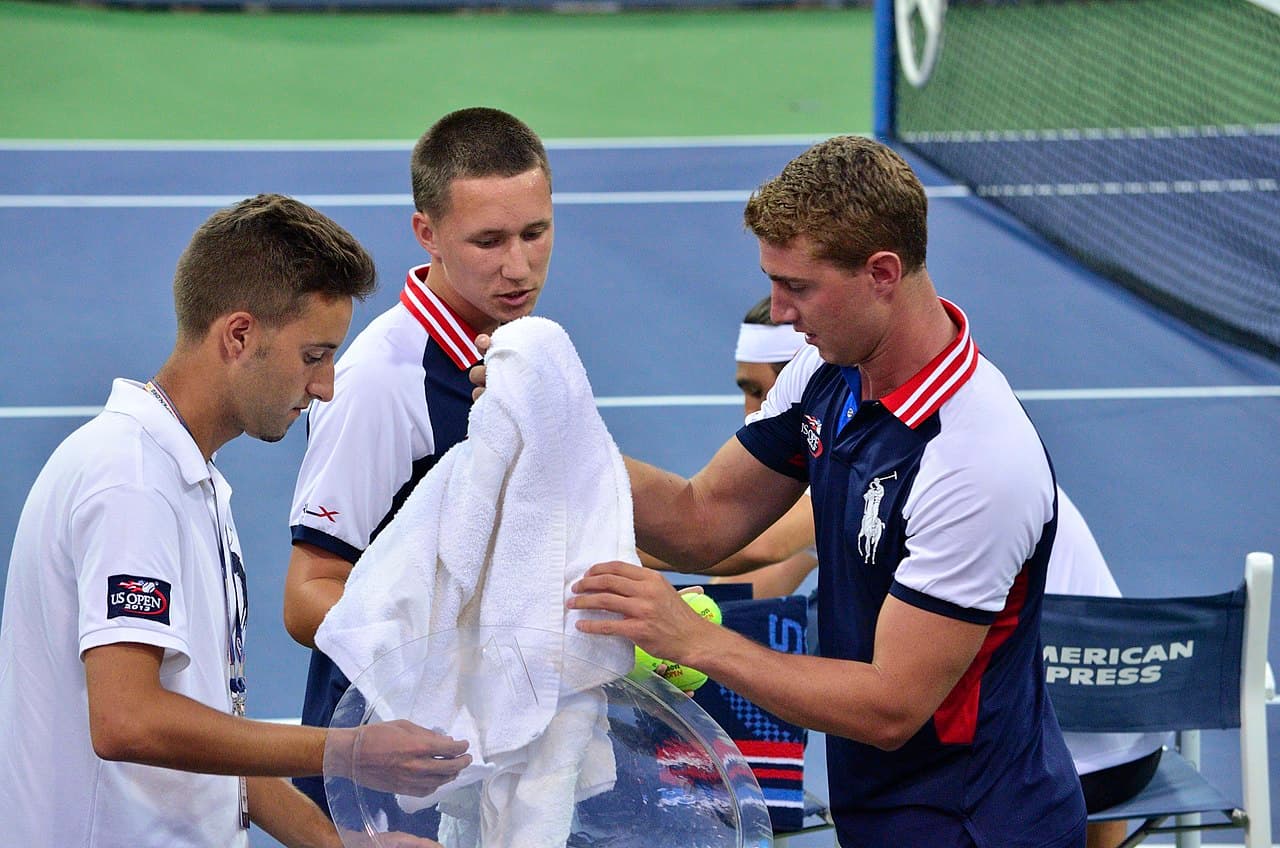
US Open (August–September)
The loud, electric finale to the Slam season in New York, on hard courts. Night sessions under the lights and raucous crowds make it the most spectacle-driven of the four majors.
Why the Slams Matter Most
Grand Slam titles are the primary measure of greatness in tennis. They award the most ranking points, the largest prize money and feature the deepest fields — which is why a player's major count is the number history remembers.
The Calendar and Career Grand Slam
Winning all four in a single year is the Calendar Grand Slam — an extraordinarily rare feat. Winning all four at some point in a career is the Career Grand Slam, achieved by only a handful of the greatest players. Because the surfaces are so different, mastering all four is the ultimate test of versatility.
How the Surfaces Shape the Tactics
The surface a Slam is played on does far more than change the colour of the court — it changes which style of tennis tends to win. Clay is the slowest surface, taking pace off the ball and making it bounce high, which rewards patient baseline players who can build long rallies and defend for hours. Grass is the fastest and lowest-bouncing, favouring big serves, sharp reactions and players who like to attack and shorten points. Hard courts sit somewhere in between, offering a fair, consistent bounce that does not heavily favour one style — part of the reason two of the four majors are played on them.
This is why some champions dominate on one surface yet struggle on another, and why a truly complete player must be able to switch between defending on clay one month and attacking on grass the next.
Inside the Draw: Seeds, Best-of-Five and Tie-Breaks
Each Grand Slam singles event begins with a draw of 128 players, meaning a champion must win seven matches in a row to lift the trophy. The leading players are given seedings based on their ranking, which spreads the strongest names across the draw so they cannot meet in the early rounds. In the men's singles, Slam matches are played as best-of-five sets — the only events on the calendar to do so — while the women's singles is best-of-three. This longer format is a major reason the majors are regarded as the ultimate test.
To avoid sets running on forever, tennis uses the tie-break, a short mini-game that settles a set which reaches six games all. In recent years the way the deciding final set is resolved has been standardised across all four majors, giving players and fans a clear and consistent finish to even the longest matches.
Why the Slams Are So Physically Demanding
Winning a major is as much a feat of endurance as of skill. Over roughly two weeks a player may have to compete every second day, and with the men's best-of-five format a single match can last several hours in heat, humidity or cold. Recovering in time for the next round — while managing travel, practice and the mental strain of the biggest stage in the sport — is a challenge in itself.
The calendar adds to the difficulty. The four Slams are spread across the year and around the world, and the rapid switch between surfaces gives players very little time to adjust their movement and timing. Peaking for one major is hard enough; staying fit and sharp enough to contend at all four, year after year, is what separates the sport's greatest names from the rest.
Frequently Asked Questions
What are the four tennis Grand Slams?
The Australian Open, French Open (Roland-Garros), Wimbledon and the US Open.
Which Grand Slam is on clay?
The French Open is the only Slam played on clay.
Key Takeaways
- Four majors, four surfaces, across the tennis calendar.
- Slam titles are the truest measure of a player's greatness.
- Winning all four (career or calendar) is tennis's ultimate achievement.