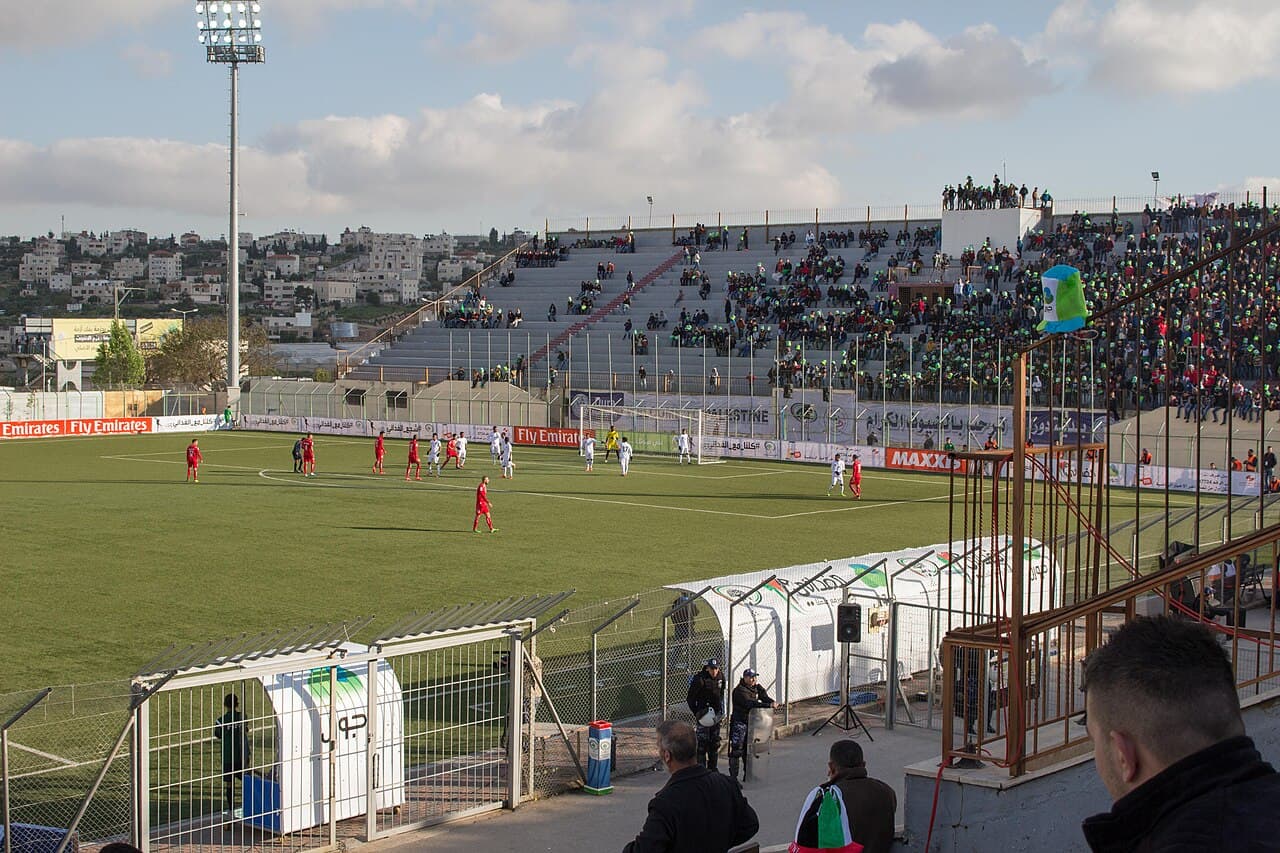

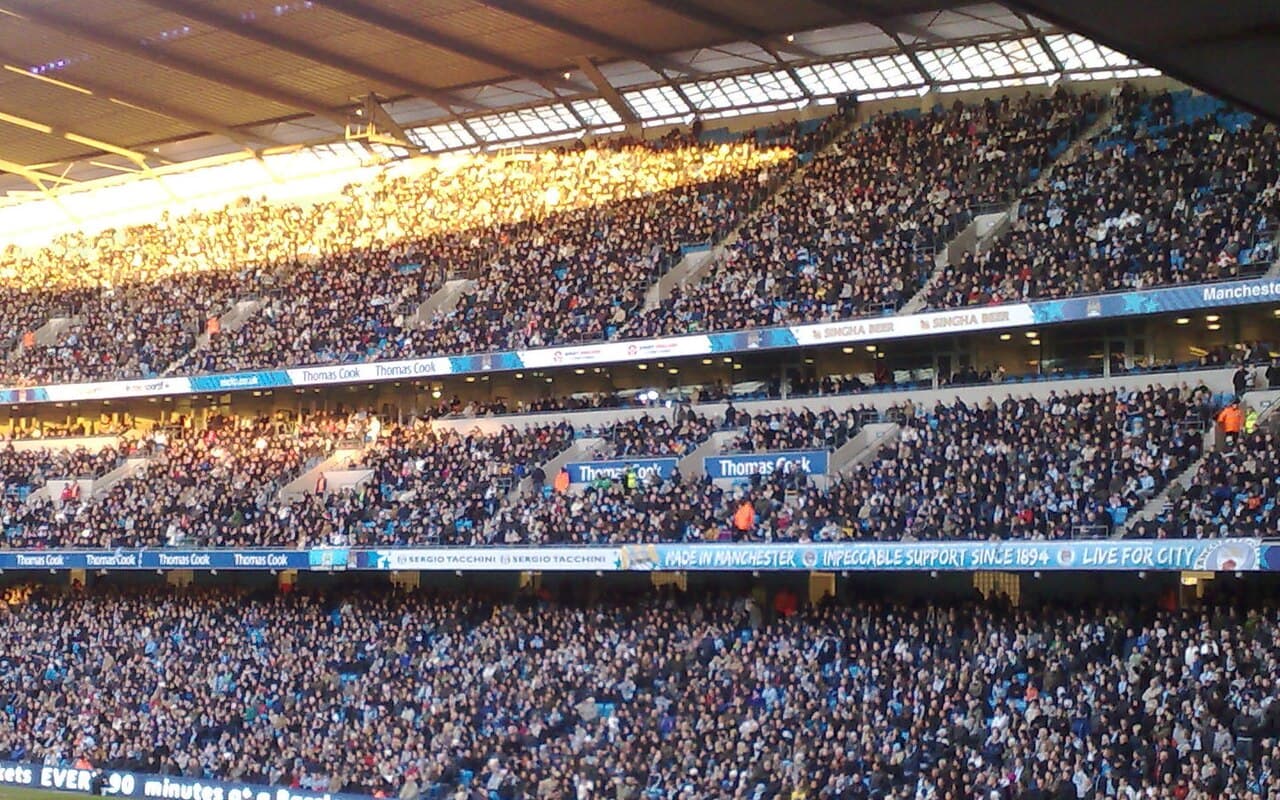
The Video Assistant Referee (VAR) is now a fixture of top-level football, including at the World Cup. It uses video replays to help the on-field referee correct clear and obvious errors — but only in four specific situations.
What VAR Can Review
- Goals — and any infringement in the build-up (offside, handball, fouls).
- Penalty decisions — whether a penalty should or should not have been given.
- Direct red cards — not second yellow cards.
- Mistaken identity — when the referee books the wrong player.
How a Decision Is Made
A VAR team reviews footage and recommends a check only for "clear and obvious" errors. The referee can then watch the replay pitch-side at the Referee Review Area before making the final call — the on-field official always has the last word.
The "Clear and Obvious" Threshold
VAR is not meant to re-referee every decision. It intervenes only when the original call is clearly wrong, which is why many subjective calls are left to the referee's on-field judgement even after a check.
Why It Is Still Debated
Supporters say VAR gets more big calls right; critics point to long delays, the breaking of momentum, tight offside lines decided by millimetres, and the loss of spontaneous goal celebrations while fans wait for a check.
VAR at the World Cup
Since its introduction at the 2018 World Cup, VAR has become standard at the tournament, and technologies such as semi-automated offside detection have been added to speed up and sharpen decisions.
Inside the VAR Booth
VAR is not a single person but a small team working away from the pitch, usually in a dedicated operations room filled with monitors. The lead official, the video assistant referee, is typically a qualified referee who watches the match through multiple camera angles. An assistant video assistant referee, or AVAR, helps by tracking the live action and managing communication so nothing is missed during a review. A replay operator selects and lines up the relevant footage at speed, so the officials can see the clearest angles without delay. This division of labour is designed to keep the process organised under intense time pressure.
Checks, Reviews and the On-Field Review
It helps to separate two stages. A check happens quietly on almost every major incident: the VAR team looks at the replay in the background while play continues, and if nothing appears wrong the game carries on uninterrupted. A review is the more visible step that follows only when the footage suggests a possible serious error. When the referee decides to conduct an on-field review, they signal it by drawing the outline of a screen in the air with their hands, then walk to the pitch-side monitor to judge the incident personally before confirming or changing the original decision.
Semi-Automated Offside Technology
One of the biggest advances has been semi-automated offside detection. Rather than relying solely on officials manually drawing lines on a frozen frame, the system uses multiple cameras to track the ball and numerous points on each player's body many times per second. Software then helps determine the precise moment the ball is played and the position of the relevant players, producing a faster and more consistent offside judgement. The technology assists the officials rather than replacing them, and a human still confirms the outcome, but it reduces the long delays that tight offside calls once caused.
The Human Element and the Future of Officiating
For all its cameras and software, VAR is still built around human judgement. Deciding what counts as a serious foul, a deliberate handball or a genuine error remains a matter of interpretation, which is why fans can watch the same replay and reach opposite conclusions. The direction of travel is towards technology that settles factual questions, such as whether a ball crossed a line or a player was offside, quickly and automatically, while leaving the subjective calls to trained officials. Balancing accuracy, speed and the natural flow of the game is likely to shape football officiating for years to come.
Frequently Asked Questions
What four things can VAR review?
Goals, penalties, direct red cards and mistaken identity.
Does VAR make the final decision?
No — it advises, but the on-field referee always makes the final call.
Key Takeaways
- VAR reviews only four match-changing situations.
- It intervenes for "clear and obvious" errors; the referee decides.
- It improves accuracy but remains a source of debate.