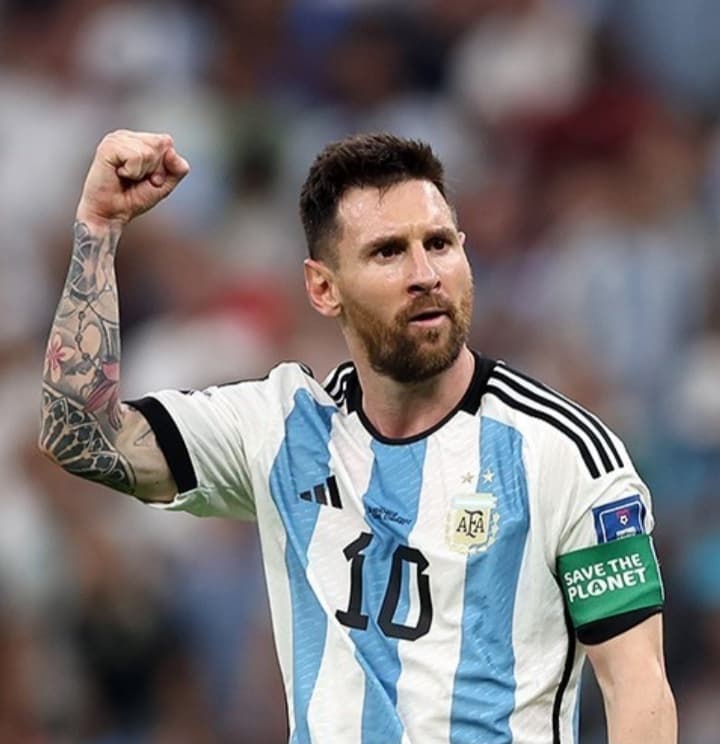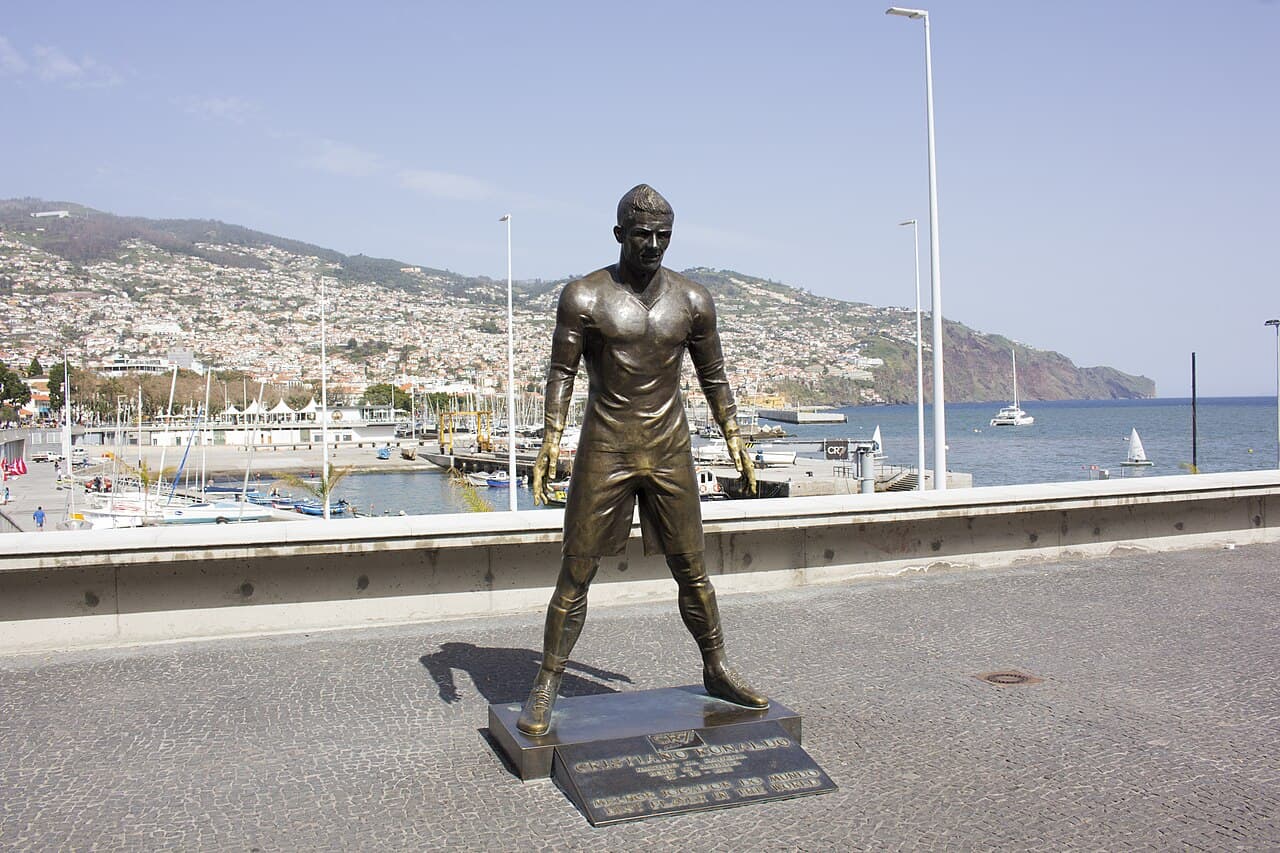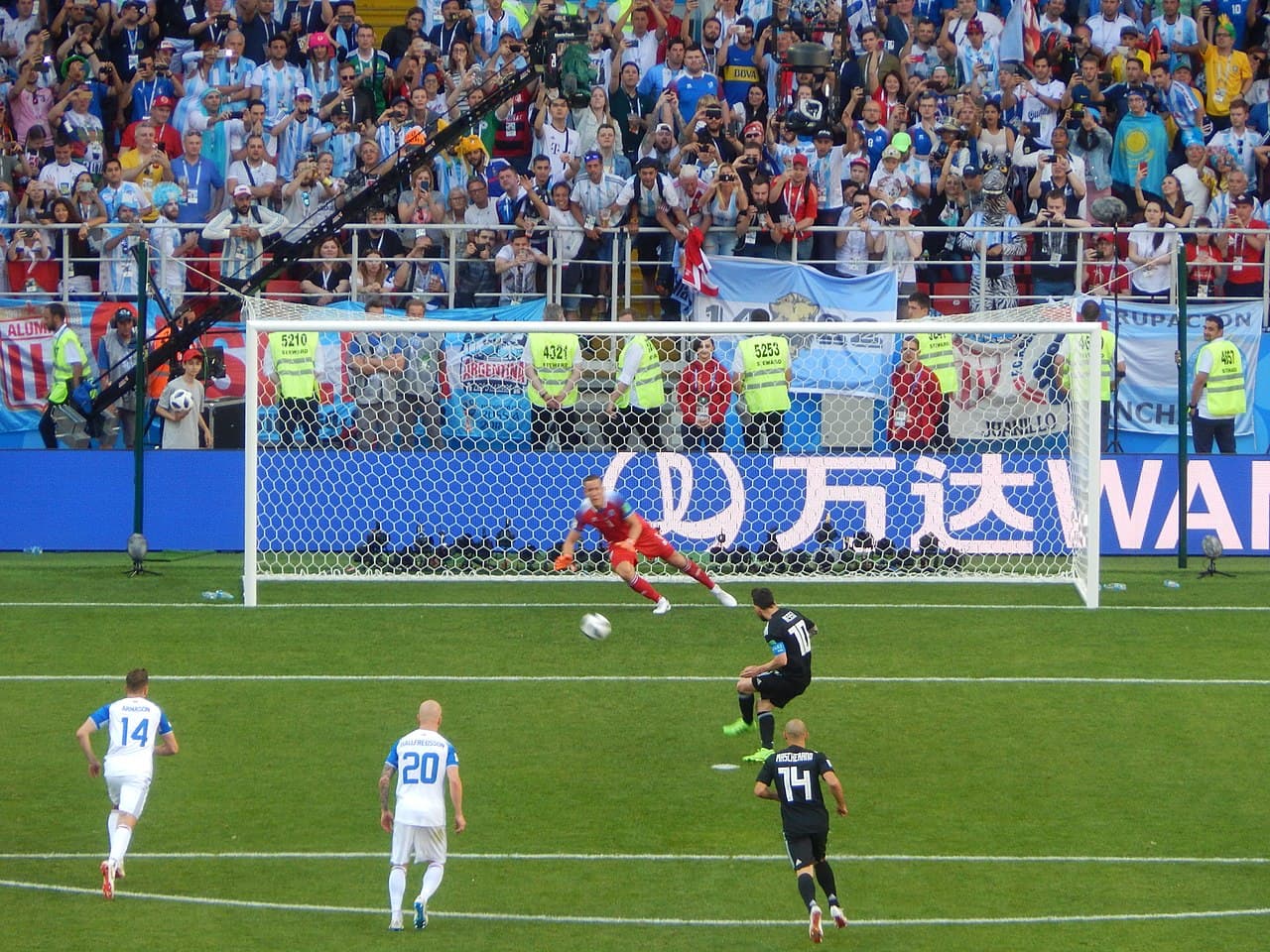

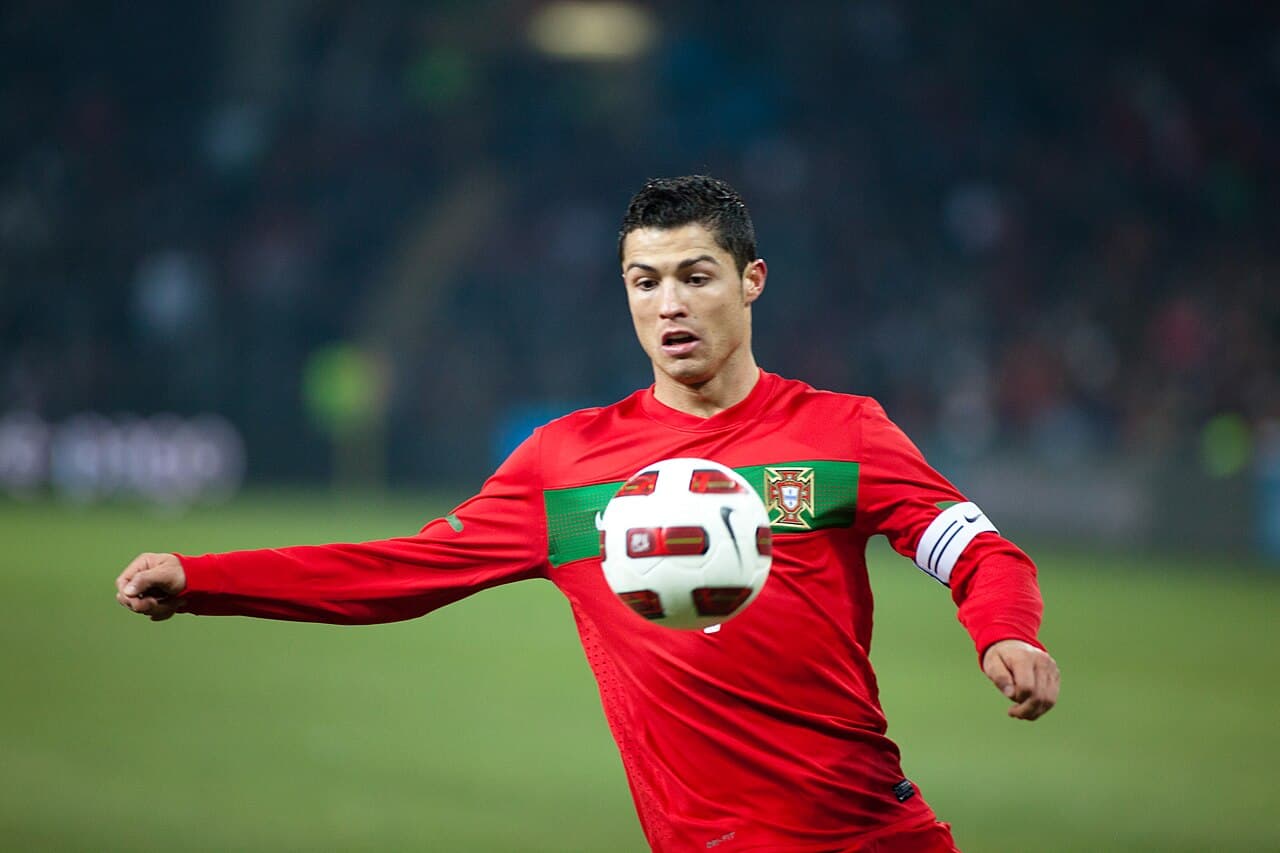
No two athletes in any team sport have spent as long, or as evenly, at the very top as Lionel Messi and Cristiano Ronaldo. From roughly 2008 to 2018 they did not merely lead world football — they monopolised it, sharing all but one Ballon d'Or across a decade and turning every individual award, every Champions League night and every El Clásico into a referendum on which of them was the greater player. This is not another attempt to crown a winner. It is an attempt to explain why the rivalry was so unusually compelling, and what it actually tells us about two completely different ways of being great.
Two players who needed each other
The first thing to understand is that the rivalry was, in large part, manufactured by circumstance — and then sustained by genuine competitive obsession. Ronaldo's move from Manchester United to Real Madrid in 2009 placed him in the same league as a Barcelona side built around Messi. Suddenly the two best players alive met twice a season, often more, in the most-watched club fixture on earth. The proximity mattered. Each had a permanent, visible benchmark playing 600 kilometres up the motorway, and both have since admitted the other's numbers shaped their own standards.
That feedback loop is the engine of the whole story. Ronaldo's goal tallies in Madrid — repeatedly clearing 50 in a season — were not normal even by elite standards, and it is hard to separate them from the fact that Messi was simultaneously rewriting Barcelona's record books. They dragged each other into statistical territory football had never seen, and may not see again.
Contrasting blueprints for greatness
What made the comparison endlessly arguable was that the two men were good at the game in almost opposite ways. Reducing them to a side-by-side helps:
- Messi — low centre of gravity, impossibly tight close control, and a passing brain that turns him into a playmaker as much as a finisher. His genius is improvisational: he sees and executes things in real time that look pre-planned only in replay.
- Ronaldo — taller, explosively athletic, two-footed and dominant in the air. His genius is engineered: a relentlessly trained, endlessly adapted goal machine who has reinvented his game — from flying winger to penalty-box predator — to keep scoring as his body changed.
This is why the debate never resolves. They are not better and worse versions of the same thing; they are the two best examples of two different things. Asking who is better is a little like asking whether a chess grandmaster is better than a sprinter. The honest answer depends entirely on what you value.
The trophy ledger — and why it isn't a verdict
On silverware, the broad strokes are well known. Messi has won a record eight Ballons d'Or, four Champions Leagues with Barcelona, multiple league titles, the 2021 Copa América and — the trophy that reframed his entire career — the 2022 World Cup. Ronaldo has won five Ballons d'Or, five Champions Leagues across England, Spain and Italy, league titles in three different countries, Euro 2016 with Portugal, and stands as the all-time leading scorer in men's international football.
People reach for these lists as if they settle the argument. They don't, for a simple reason: the two players' achievements are strong in different categories. Messi's case leans on creative dominance and the World Cup; Ronaldo's leans on goalscoring volume, versatility across leagues and international longevity. A ledger only "proves" a winner if you have already decided which column counts most — and that decision is the actual disagreement.
What separated them under pressure
One genuinely useful lens is how each man bent the biggest matches to his will. Ronaldo built a reputation as a knockout-stage specialist for Real Madrid, scoring in clusters during their run of Champions League titles and consistently delivering in single-leg, high-stakes games. Messi's defining big-game moments came later and more emotionally — carrying an Argentina side through the 2021 and 2022 international summers after years of falling agonisingly short. The shapes of their careers even rhyme here: Ronaldo front-loaded his trophies, Messi saved his most important one for nearly last.
The post-Europe chapter
The European phase closed within a year of itself. Ronaldo joined Saudi Arabia's Al-Nassr in early 2023; Messi moved to Inter Miami in Major League Soccer later that year. Plenty of observers read these moves as the end of the story. In practice they extended it — into a debate about legacy, commercial reach and how two players have reshaped leagues far from football's traditional centre. Even geographically separated, they remain the sport's default unit of comparison.
The verdict that actually matters
Here is the uncomfortable, freeing truth: there is no objective answer, and the search for one has always been the least interesting part of the rivalry. What made Messi and Ronaldo special was not that one of them "won" — it was that two athletes of historic ability spent fifteen years refusing to let the other rest. The rivalry was the prize. Anyone who watched it live witnessed something football had never produced before: not one generational talent, but two, peaking simultaneously and pulling each other beyond every previous ceiling. That, far more than any medal count, is the part worth remembering.
Frequently Asked Questions
How many Ballon d'Or awards do Messi and Ronaldo have?
Messi has won a record eight; Ronaldo has won five. Between them they dominated the award for well over a decade.
Did Messi and Ronaldo ever play together?
No. They were rivals throughout their European careers, most famously meeting in El Clásico while at Barcelona and Real Madrid.
Who has scored more career goals?
Ronaldo leads on total senior career goals, helped by his longevity and international scoring; Messi's tally is bolstered by his creative output and assists. Exact figures shift with every match they play.
Key Takeaways
- The rivalry was sustained by proximity — same league, twice-a-season meetings — and by genuine mutual obsession.
- Messi and Ronaldo represent two opposite models of greatness, which is precisely why no single metric crowns a winner.
- Their trophy hauls are strong in different categories, so the ledger reflects your priorities rather than settling the debate.
- The lasting value of the era was the competition itself — two historic talents peaking at once and dragging each other higher.